#67 Stone for Georgia Drainage, Beds and Concrete Work
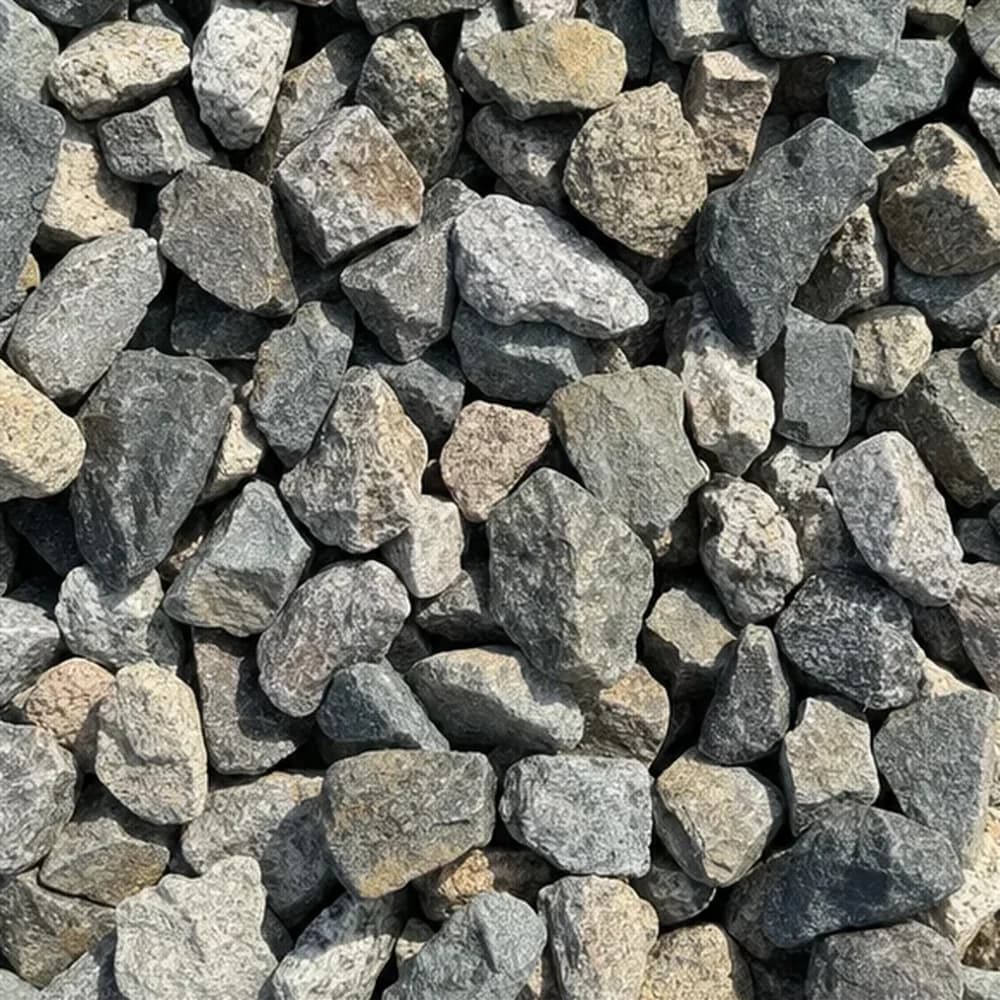
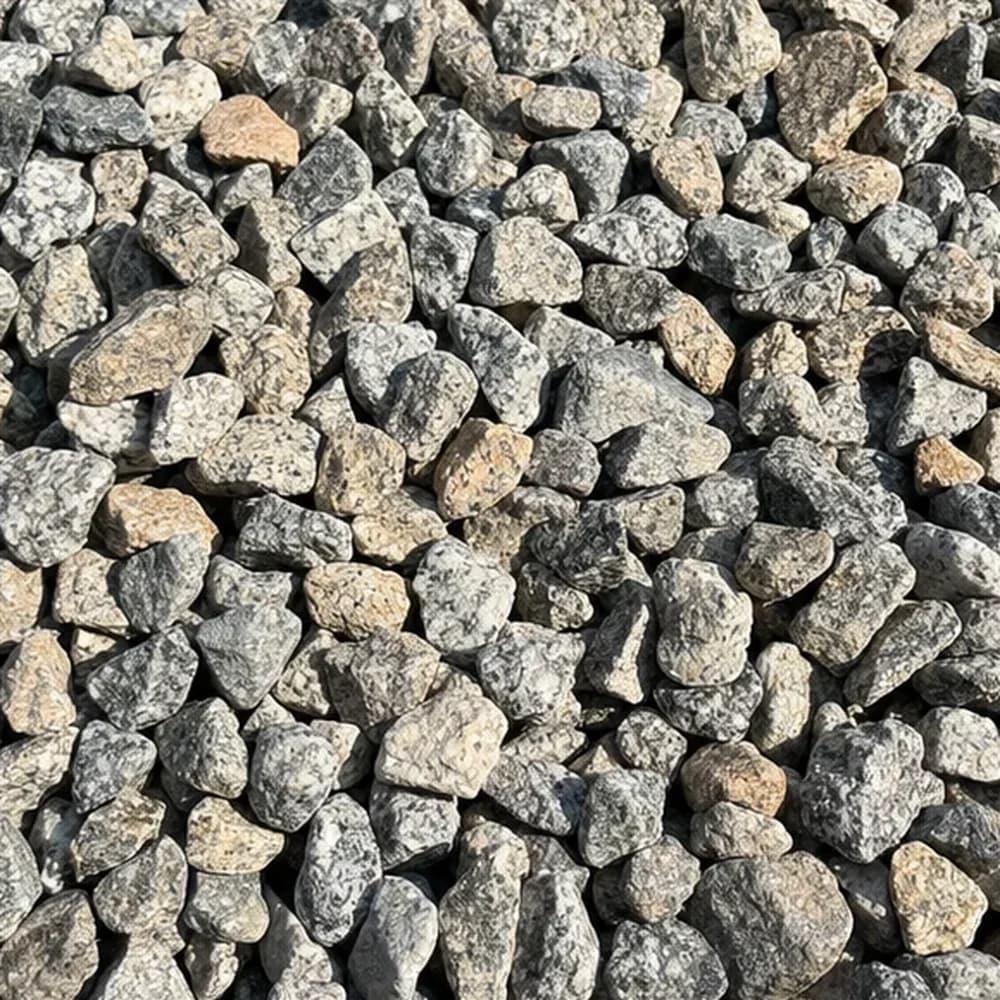
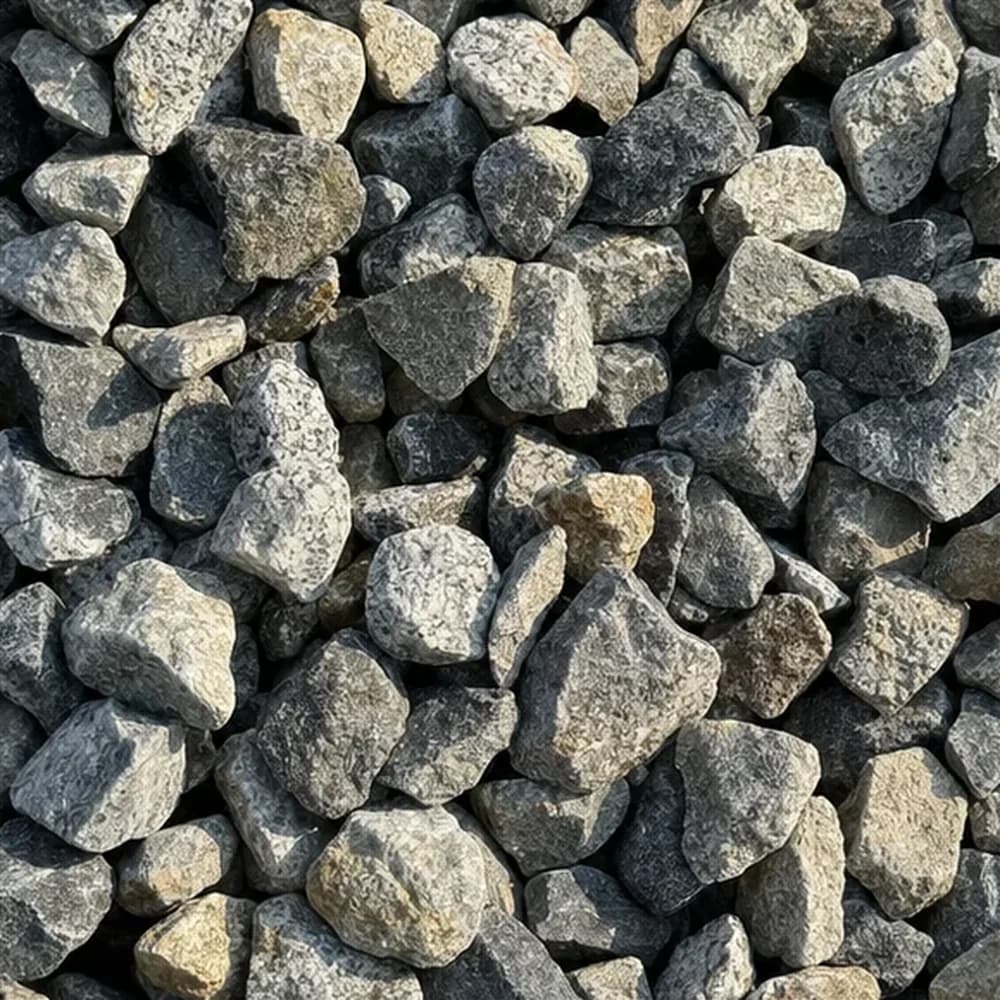
#67 Stone gives Georgia paths and planted areas an even crushed-stone appearance while fitting drainage layouts in wet red clay.
- Size: 1/4 inch to 3/4 inch
- Grading: #67
- Type: Angular crushed stone
From $456 for 1 ton, delivery included (larger loads cost significantly less per ton)
Free delivery included
Free delivery anywhere in Georgia
Pick a delivery date
Weekday delivery, earliest Oct 30
“Went with this company for a load of stone and I'm really happy I did. The driver was friendly and took his time placing it exactly where I needed it. Everything showed up clean and on time, 5 out of 5 from me.”
Rachel J. · Verified Buyer
Get a Free Quote
Fill out the form and our sales team will get back to you within the hour.
Size and Grading
- Size
- 1/4 inch to 3/4 inch
- Grading
- #67
- Type
- Angular crushed stone
Plenty of #67 stone gets ordered as the second attempt at a job. The first load went in as something with dust in it, a trench or a bed got filled with material that packed down tight, and after the next Georgia downpour the water sat exactly where it had before. Red clay already sheds a storm fast and then holds what soaks in, so a drainage detail built out of the wrong stone is not neutral. It makes the wet spot worse. The fix is nearly always a clean, angular, single-size stone, and this is one of the sizes that does that job.
What #67 stone is, and why it never packs down
The material runs from about 1/4 inch to 3/4 inch, angular crushed stone graded to the #67 size number that GDOT uses when a Georgia plan sheet specifies crushed stone.
The gradation is narrow, which is the whole point. With the fine material screened out, the pieces touch each other at their corners and leave open space between them. Water moves through that space instead of being held. The trade is that the layer never knits into a firm crust, so it stays a drainage and bedding material rather than a surface you build on.
That open structure is also the reason the same stone turns up in ready-mix. Concrete wants a clean, evenly sized coarse aggregate that the paste can coat and flow around, and a 1/4 to 3/4 inch range places and finishes more smoothly than a coarser rock, which is why decorative pours and thinner sections ask for it.
Lining a shallow ditch or the run below a culvert
Along a road ditch or a swale that only carries water after heavy rain, a lining of this stone stops bare red clay from washing out and keeps sediment out of the stream at the bottom of the property.
Know where the limit is. A ditch lined with 1/4 to 3/4 inch stone handles a modest flow. Where a culvert discharges and the water arrives with real energy, the stone will travel, and the apron there is a job for RipRap sized to the flow. Use #67 above and below that apron, not in it.
Lay the stone over geotextile fabric wherever it meets clay. Without a separation layer the fines below migrate up through the voids after a few storm cycles, and the drainage you paid for closes itself.
A rock garden bed that looks the same in August as it did in March
For a xeriscape or rock garden bed, this size gives even, angular cover that reads as deliberate rather than scattered. The pieces are small enough to rake and large enough to stay put on a flat bed through a summer storm.
Two details decide how it looks in a year. Set a hard edge along every boundary so the stone cannot creep into turf and meet a mower blade. Put fabric underneath, because Georgia weed pressure through a long warm season is relentless and a stone bed on bare soil grows through by the second summer.
Color holds up well. This is crushed rock rather than a dyed product, so it fades only to the extent that dust settles into it, and a hose rinse brings it back.
Under a shed or garage pad, this is the middle layer
On a pad build the stone sits between the ground and the finished surface. Cut to grade, put fabric down on clay, place this stone as the drainage course so water has somewhere to go, then bring the top up with a compactable material such as Crusher Run or GAB (Graded Aggregate Base) and compact that.
Skipping the compactable layer and finishing at the stone is the common mistake. A shed sitting straight on loose round-shouldered aggregate rocks slightly under foot traffic and works its door out of square over a season or two.
#57 above it and #89 below it, chosen by the gaps
#57 Granite runs 3/16 inch to 1 inch. Bigger stone, bigger voids, more water moved per foot of trench, and the usual pick for a French drain or the backfill behind a wall.
#89 Crushed Stone is the small chip at the other end. Tighter voids, far more surface area, and the right answer for paver joints, tight bedding and a path that has to feel firm underfoot.
This size sits in the middle and earns its place where a job needs drainage and a reasonably fine look at once: a visible bed, a pipe bedding run, a shallow ditch, a concrete mix where the finish matters. If the job is purely about moving water, go up a size. If it is purely about a tight, walkable finish, go down.
Yards and tons for a 40 foot ditch line and a 16 by 10 pad
Hypothetical examples, worked through so you can drop your own dimensions into the same arithmetic. The calculator pages on this site put #57, #67 and 3/4 inch crushed stone at roughly 2,800 lb per cubic yard, about 1.40 tons per yard, and that approximate figure gives the tonnages here.
A ditch line 40 feet long and 3 feet wide at 6 inches: 40 x 3 = 120 square feet, 120 x (6 / 12) = 60 cubic feet, and 60 / 27 = 2.22 cubic yards, which is close to 3.1 tons.
A shed pad 16 feet by 10 feet with a 4 inch drainage course: 16 x 10 = 160 square feet, 160 x (4 / 12) = 53.3 cubic feet, and 53.3 / 27 = 1.98 cubic yards, roughly 2.8 tons.
A rock garden bed 18 feet by 9 feet at 3 inches: 18 x 9 = 162 square feet, 162 x (3 / 12) = 40.5 cubic feet, and 40.5 / 27 = 1.5 cubic yards, or about 2.1 tons.
Run your own numbers through the Stone Calculator, then pick a tonnage and a delivery date here. Delivery is arranged at checkout by ZIP code and the truck needs clear access to the drop spot, so flag a tight gate or a soft verge through Contact before the day.
Quickly Calculate How Much You Need
Material: #67 Stone
How to Measure
Measure the length and width of your project area in feet
Decide on depth in inches (2" for landscaping, 4" for driveways)
Enter the values above and we'll calculate the tonnage you need
Need help figuring out the right amount? We can help!
Call or text us at (678) 562-7522 and we'll help you calculate the right quantity for your project.
Not sure how much you need? The Stone Calculator has depth guides, coverage charts and worked examples for this material.
Frequently Asked Questions About #67 Stone
Customer Reviews
Grabbed stone from this company and it was just what I ordered. Free delivery was a nice bonus and it showed up right when I needed it. Really happy with the whole thing, 5 out of 5.
Maria D. · Columbus, GA · Verified Buyer
Needed stone for a project at my house and the team made it easy. The stone was solid material and showed up right where I needed it. Really happy with the order and I'd use them again.
Kelly T. · Columbus, GA · Verified Buyer
Went with this company for a load of stone and I'm really happy I did. The driver was friendly and took his time placing it exactly where I needed it. Everything showed up clean and on time, 5 out of 5 from me.
Rachel J. · Savannah, GA · Verified Buyer
Decided on stone from this company and the ordering was painless. Delivery showed up when expected, and I'm really happy with how it turned out.
Rachel A. · Sandy Springs, GA · Verified Buyer
#67 Stone has 4 verified customer reviews with an average rating of 5 out of 5.