Bulk Landscape Materials, Sorted by What the Job Asks For
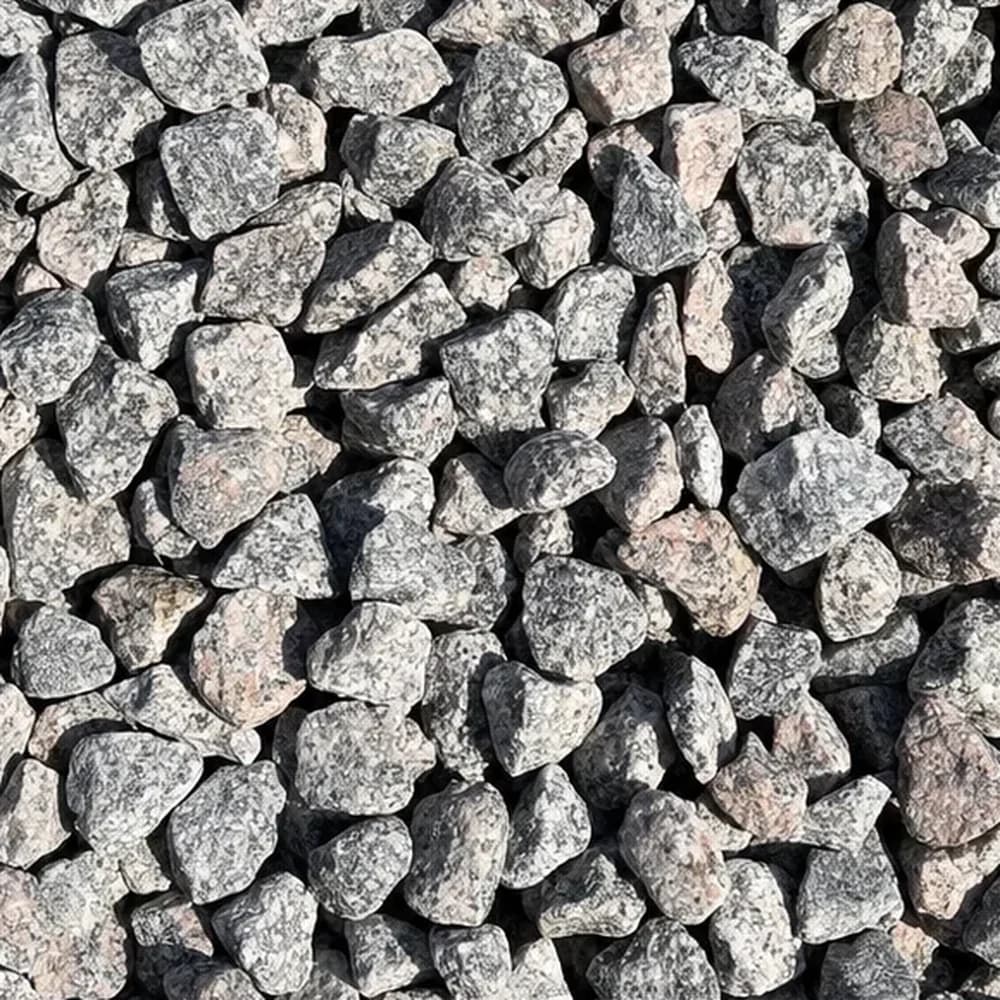
Driveway Gravel
Before building a Georgia driveway on red clay, choose Driveway Gravel for a packed stone surface that carries regular traffic and lets water move through. Size: 3/4 inch. Grading: Graded mix of stone sizes. Type: Crushed stone.
Free Delivery
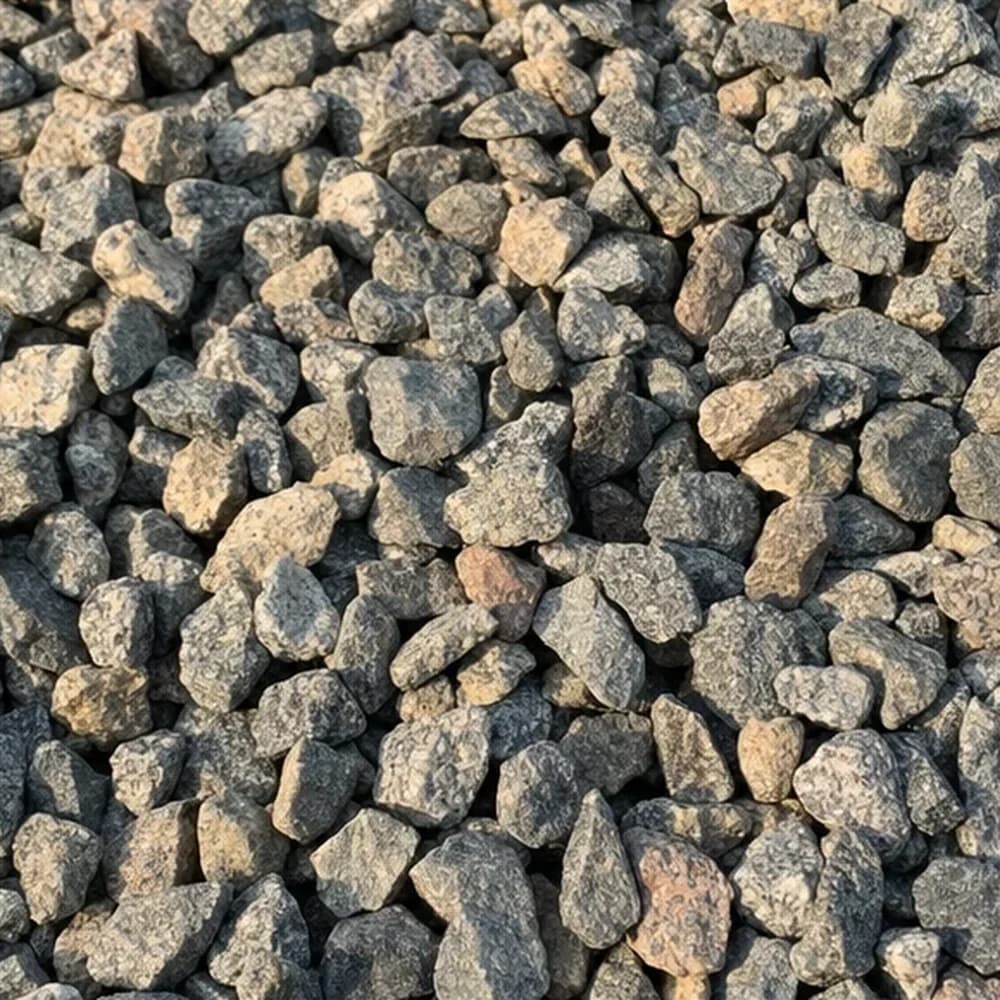
Walkway Gravel
Putting Walkway Gravel straight over wet red clay can leave a path uneven. In Georgia, use it on a prepared garden route that needs drainage and a clean finish. Size: 3/8 inch. Grading: Graded mix of stone sizes. Type: Crushed stone.
Free Delivery
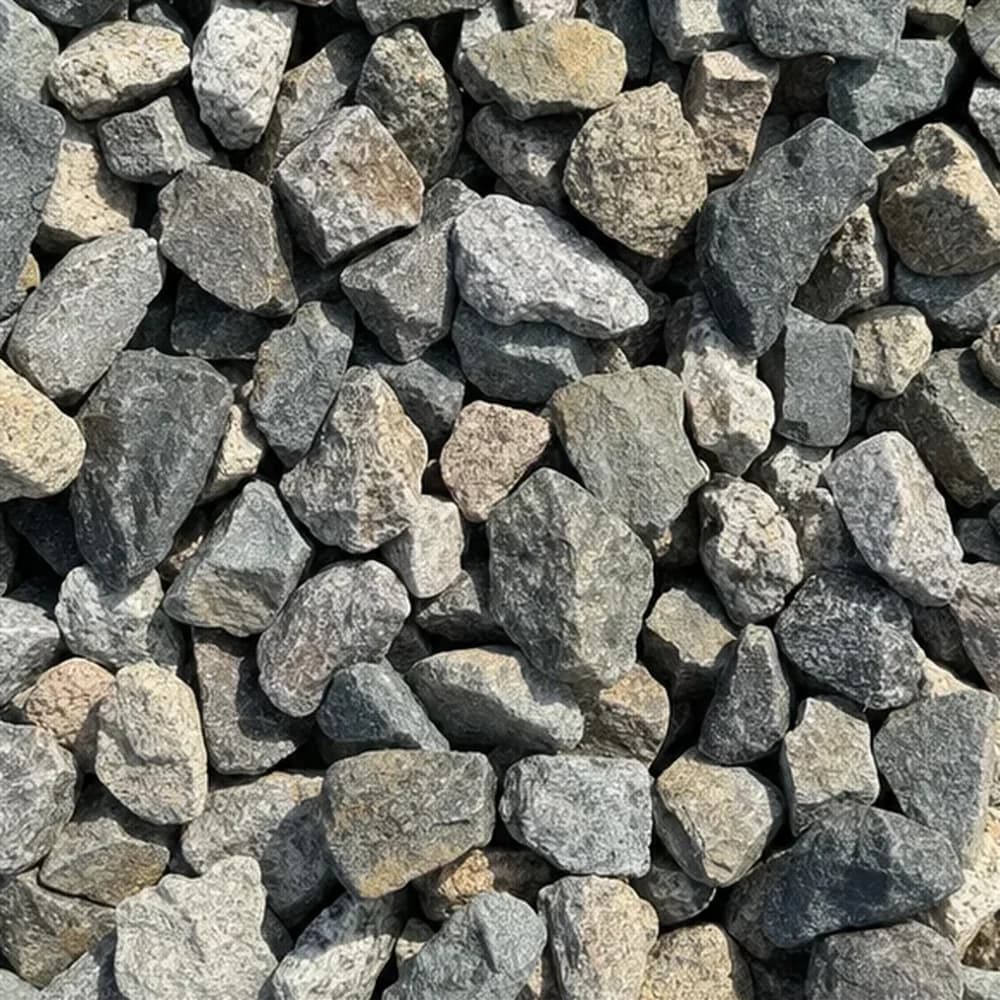
3/4" Crushed Stone
Georgia red clay needs a stable base under wet traffic. 3/4" Crushed Stone compacts into angular support with drainage. Size: Approximately 3/4 inch. Type: Angular crushed stone.
Free Delivery
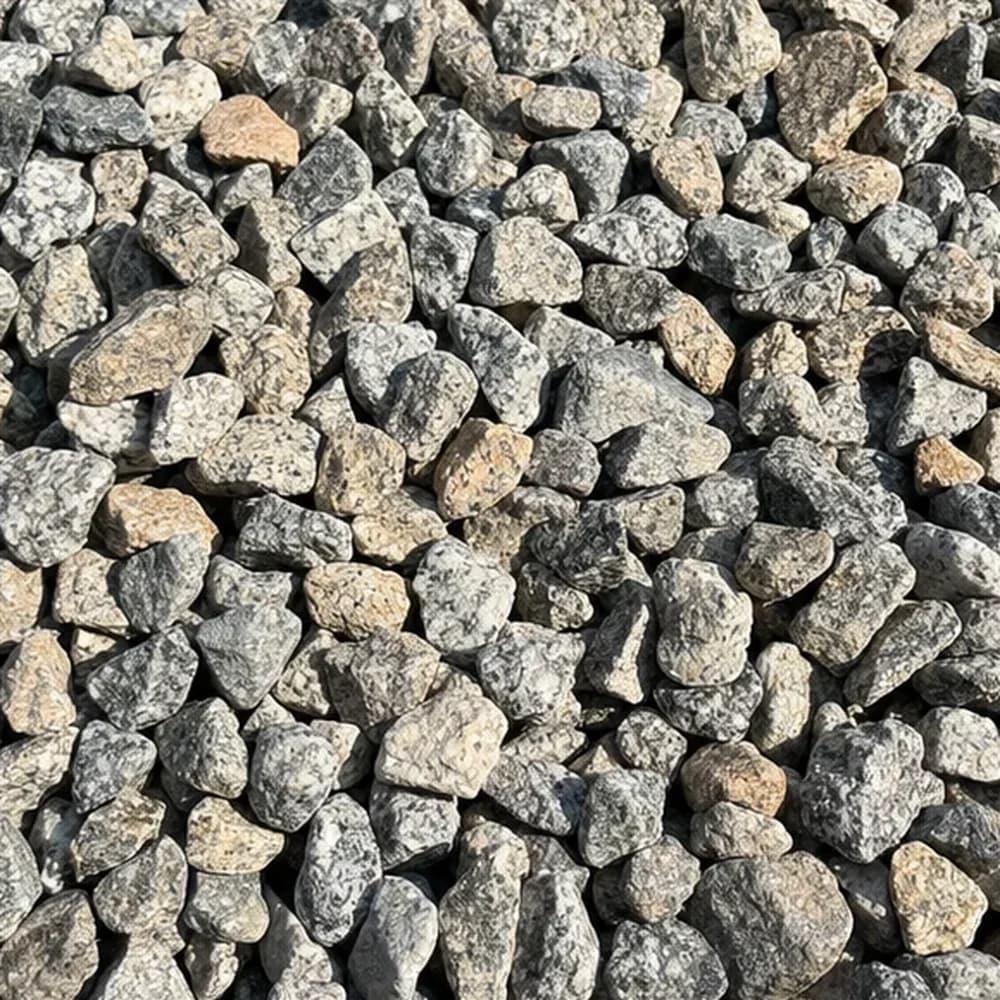
3/8" Crushed Stone
3/8" Crushed Stone leaves Georgia paths, patios, and prepared driveways with a neat surface that compacts firmly and stays even in use. Size: Approximately 3/8 inch. Type: Angular crushed stone.
Free Delivery
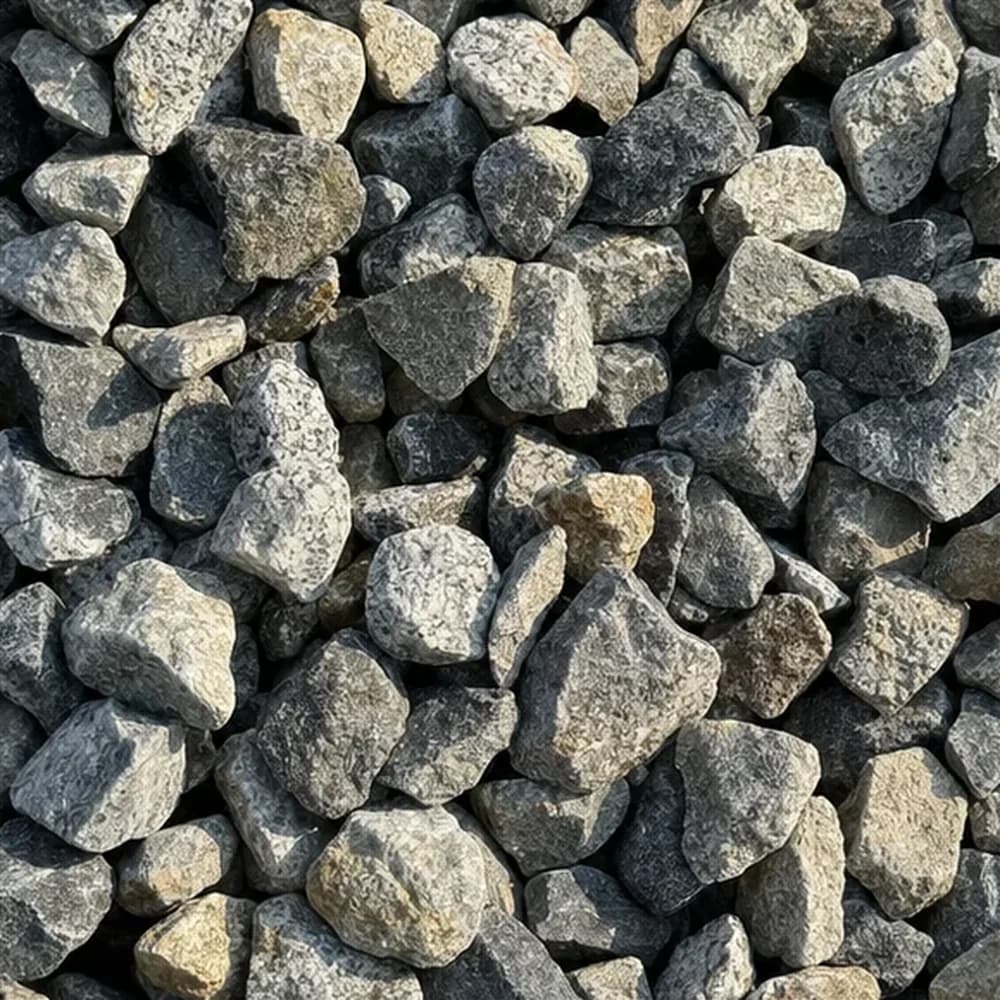
#57 Granite
Georgia red clay can hold water and rut under load. #57 Granite helps keep drainage runs clear and supports concrete work around the site. Size: 3/16 inch to 1 inch. Grading: #57. Type: Angular crushed rock.
Free Delivery
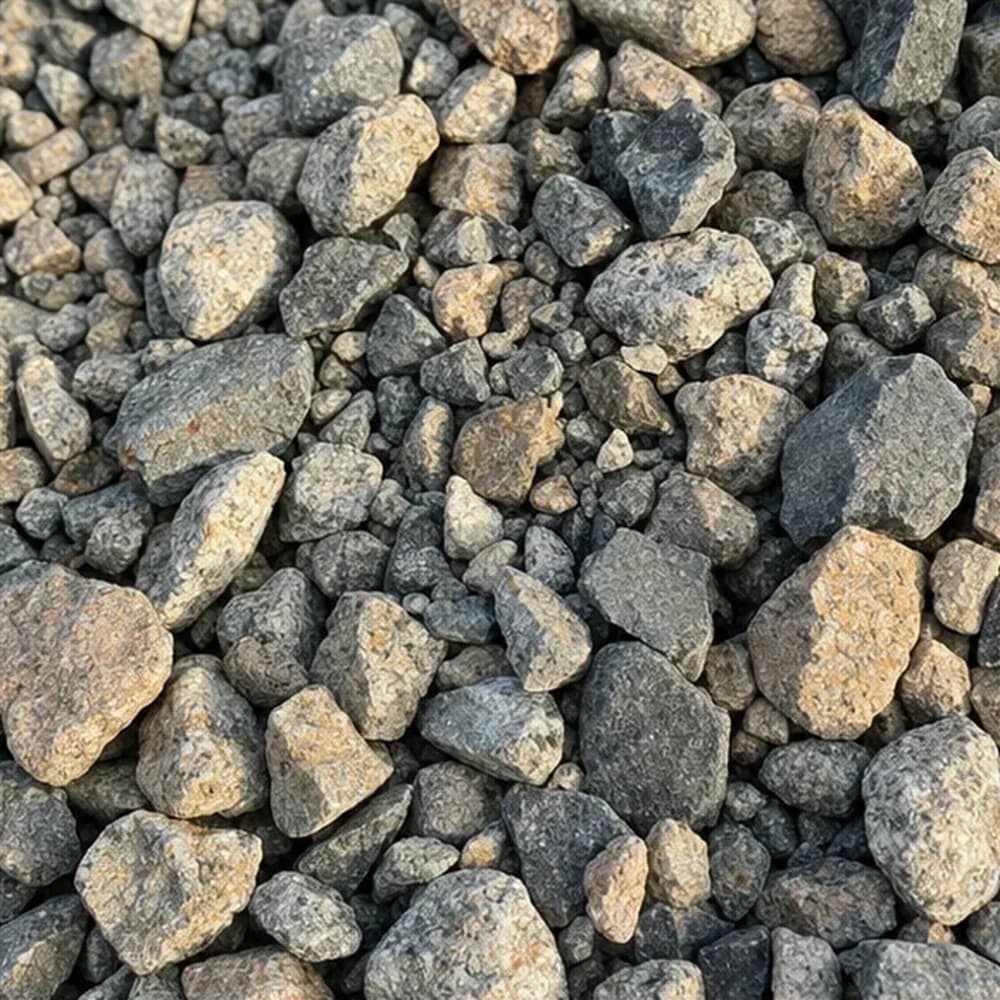
#67 Stone
#67 Stone gives Georgia paths and planted areas an even crushed-stone appearance while fitting drainage layouts in wet red clay. Size: 1/4 inch to 3/4 inch. Grading: #67. Type: Angular crushed stone.
Free Delivery
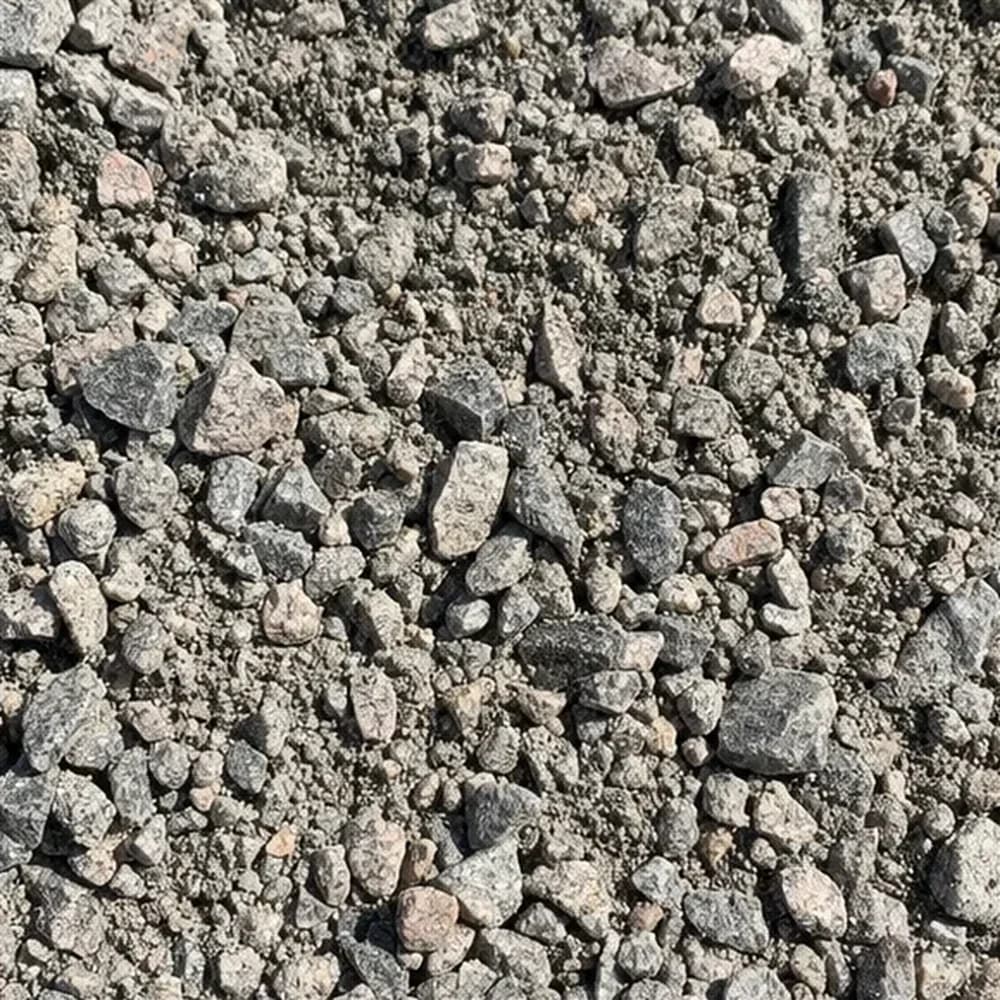
Screenings
Georgia red clay can rut when wet, so Screenings belong in the finished hardscape layer, leaving a flat surface for pavers or stone. Size: 1/4 inch minus. Grading: Stone dust and fine particles. Type: Angular crushed stone.
Free Delivery
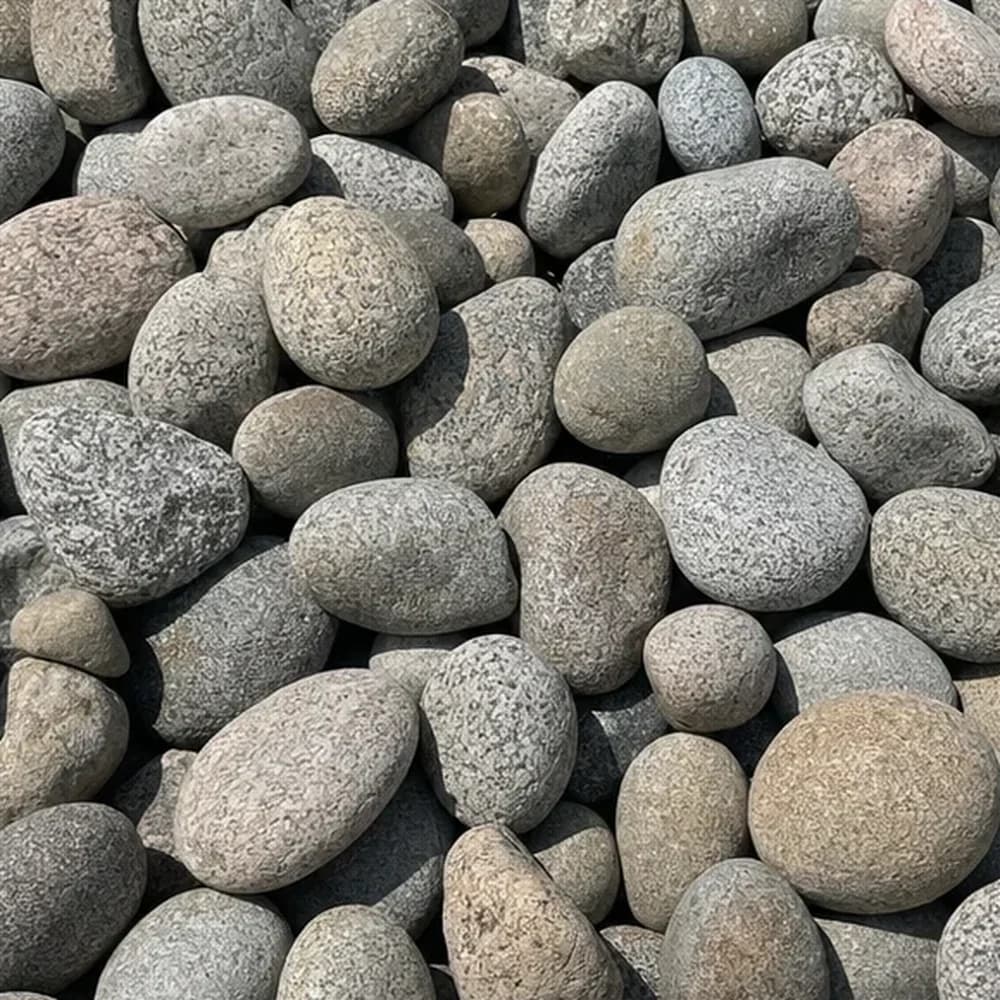
River Rock
Georgia red clay can hold surface water near planted spaces. River Rock gives those visible areas naturally rounded cover while leaving paths for drainage. Size: 1 inch to 3 inches. Type: Smooth, naturally rounded stones. Color: Tans, grays, browns and occasional reds.
Free Delivery
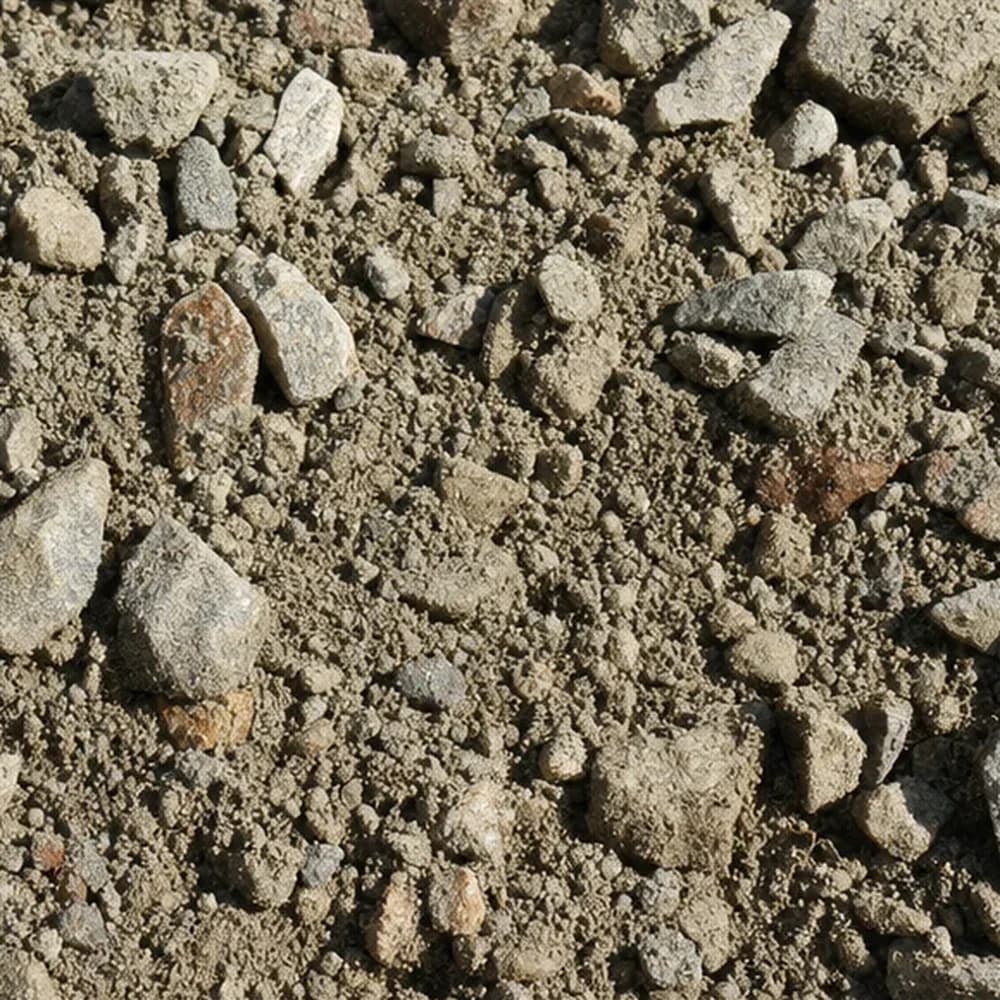
Crusher Run
Crusher Run wears as a tightly packed base under Georgia driveways, patios, and crawlspace pads on wet red-clay ground. Size: 3/4 inch minus. Grading: Crushed stone blended with stone dust and fine particles. Type: Angular crushed stone.
Free Delivery
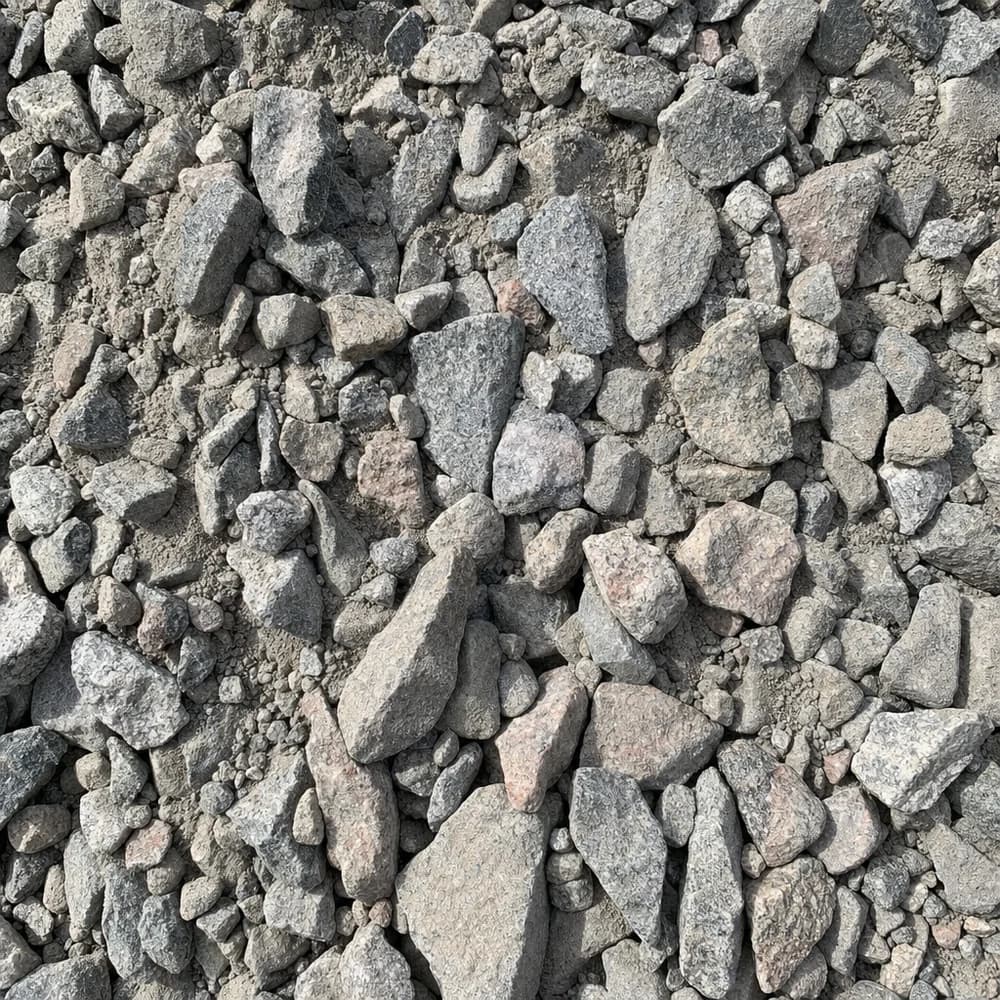
GAB (Graded Aggregate Base)
For Georgia GAB (Graded Aggregate Base) driveways, compaction helps create a firm foundation where red clay can rut when wet. Size: 3/4 inch minus. Grading: Graded mix of crushed stone, gravel and binding fines. Type: Crushed aggregate blend.
Free Delivery
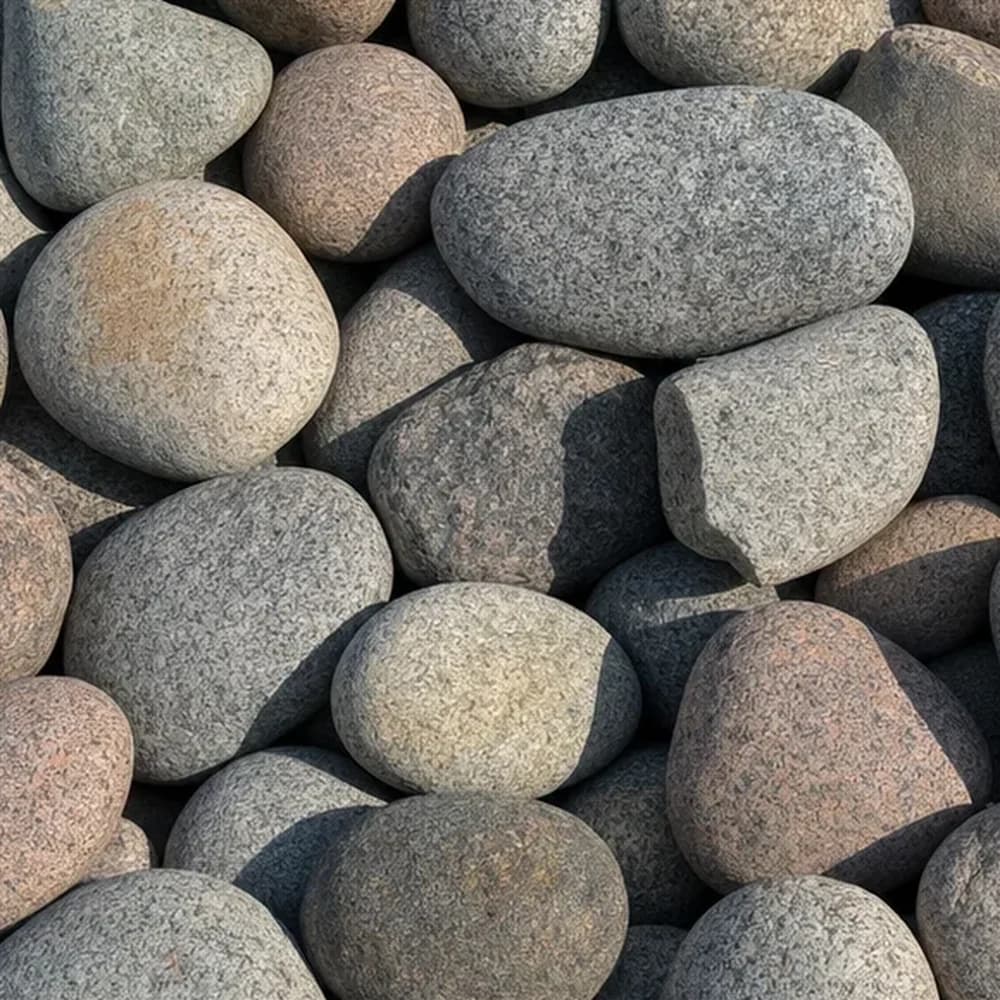
Large River Rock
Smooth, naturally rounded Large River Rock adds visual weight to Georgia planting areas, drainage swales, and water-feature borders after heavy rain. Size: 2 inches to 4 inches. Type: Smooth, naturally rounded stones. Color: Tans, grays and browns.
Free Delivery
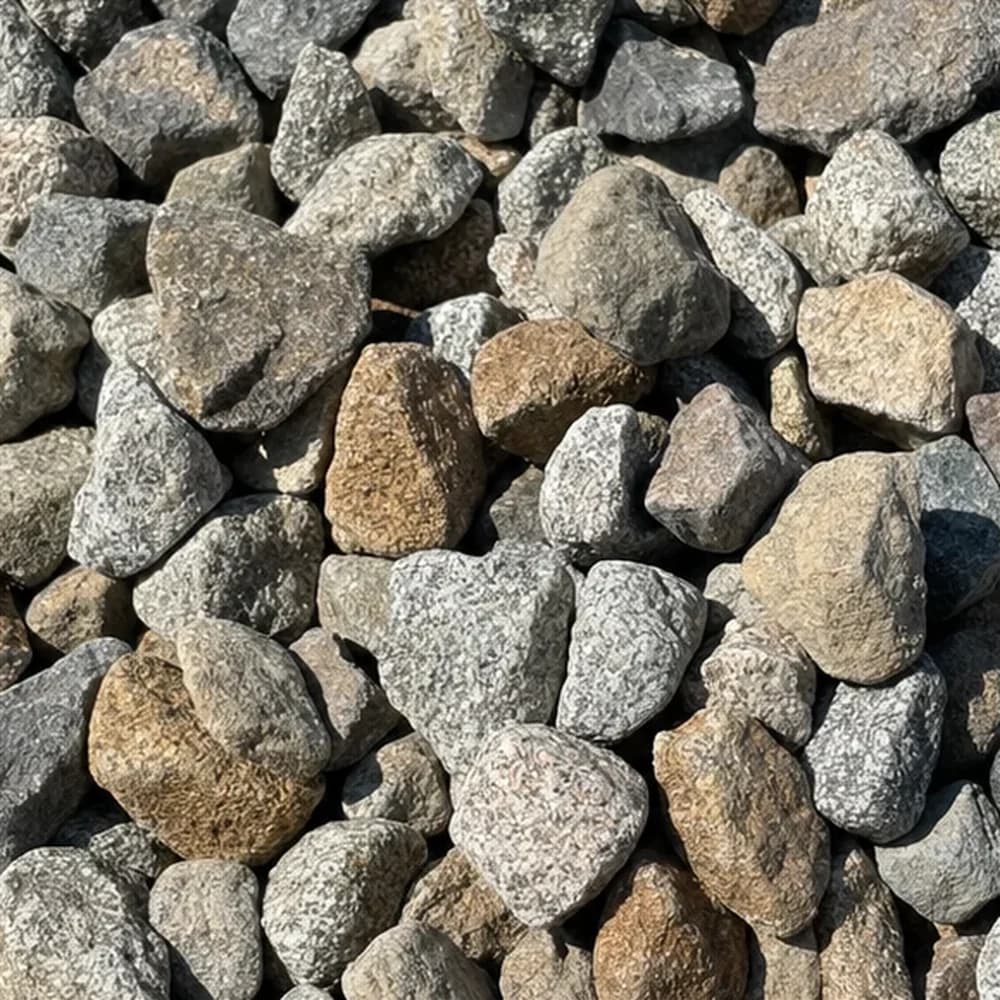
Drain Rock
Set Drain Rock in the drainage zone behind walls or along a trench in Georgia, where red clay can hold water against the work. Size: 3/4 inch to 1-1/2 inch. Grading: Washed to remove fines and dust. Type: Rounded or angular varieties.
Free Delivery
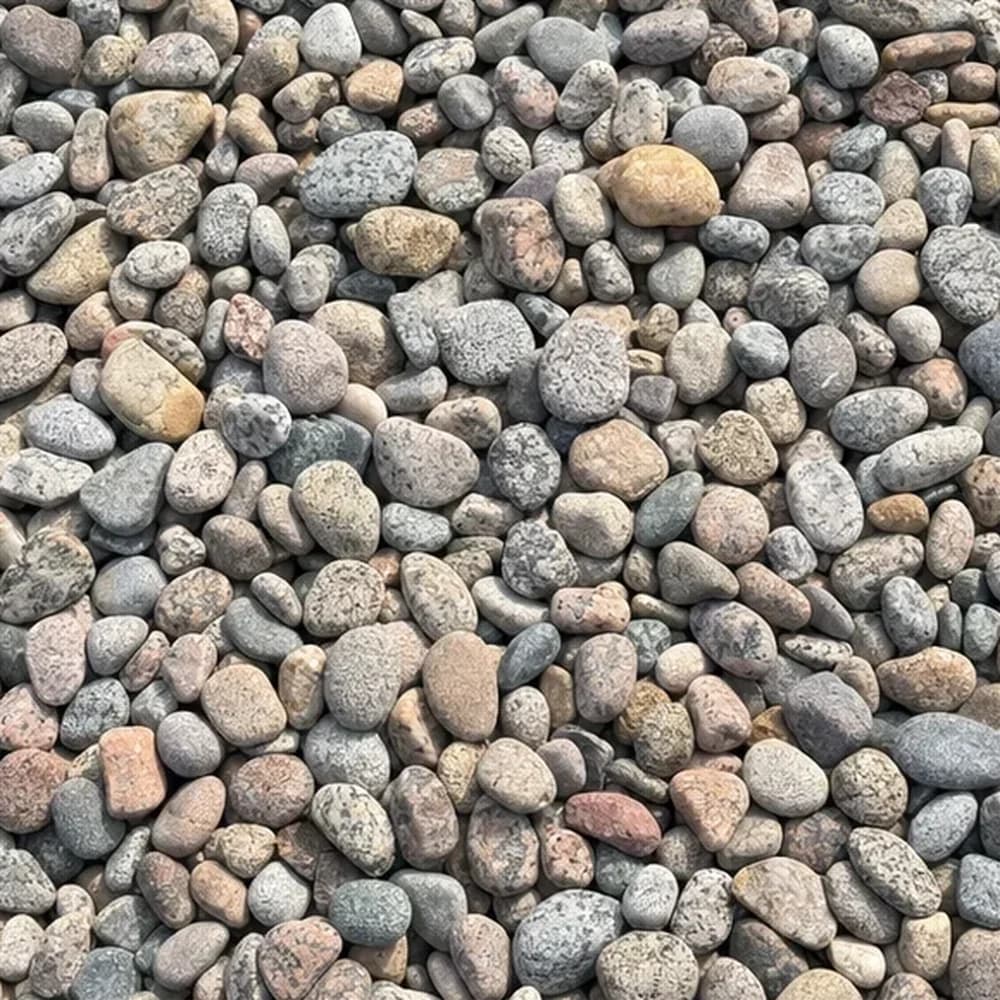
3/8" Natural Pea Gravel
Do not expect 3/8" Natural Pea Gravel to correct wet Georgia clay; use it where a smooth, freely draining finish is wanted. Size: Approximately 3/8 inch. Type: Small, smooth, naturally rounded stones. Color: Tans, creams, grays, browns and occasional reds.
Free Delivery
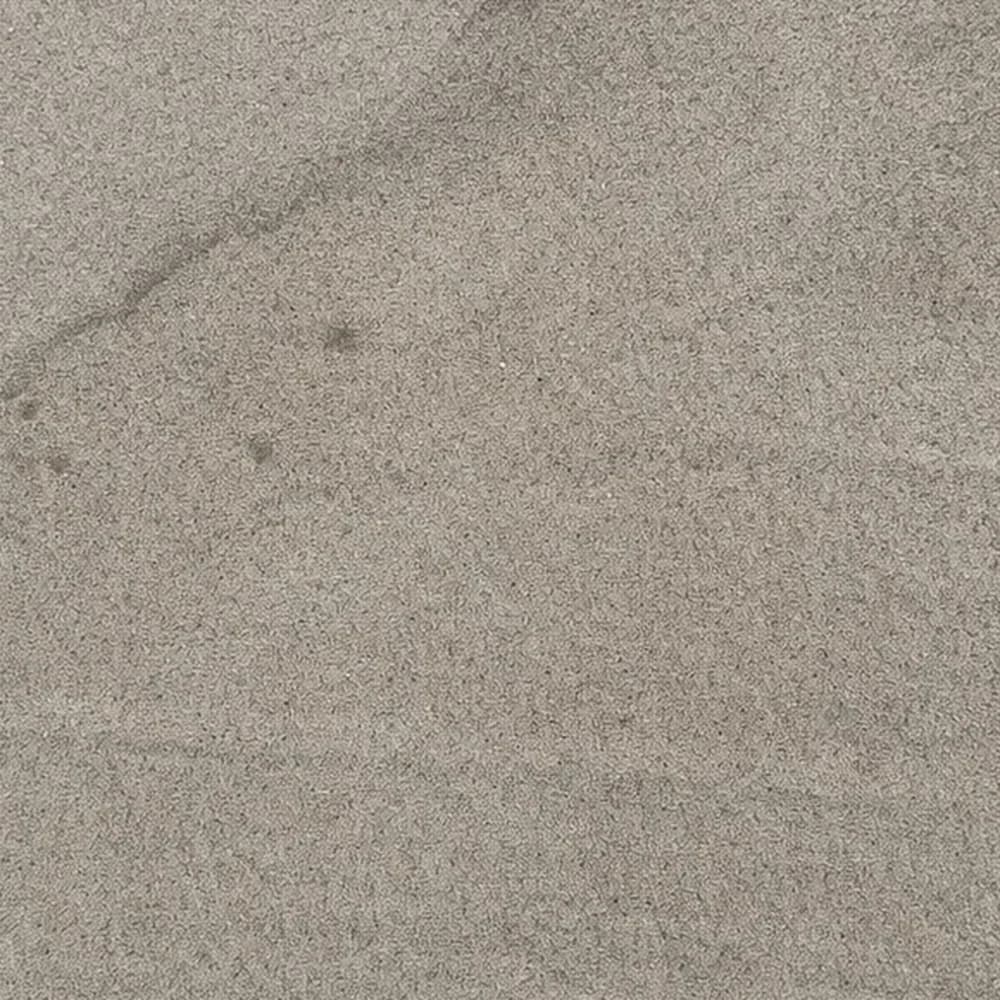
Mason Sand
Choosing coarse sand for a smooth finish is a common mistake. Georgia Mason Sand suits mortar, paver joints, and soft play surfaces. Size: Ultra-fine, consistent grain size. Grading: Washed to remove clay, silt and organic impurities.
Free Delivery
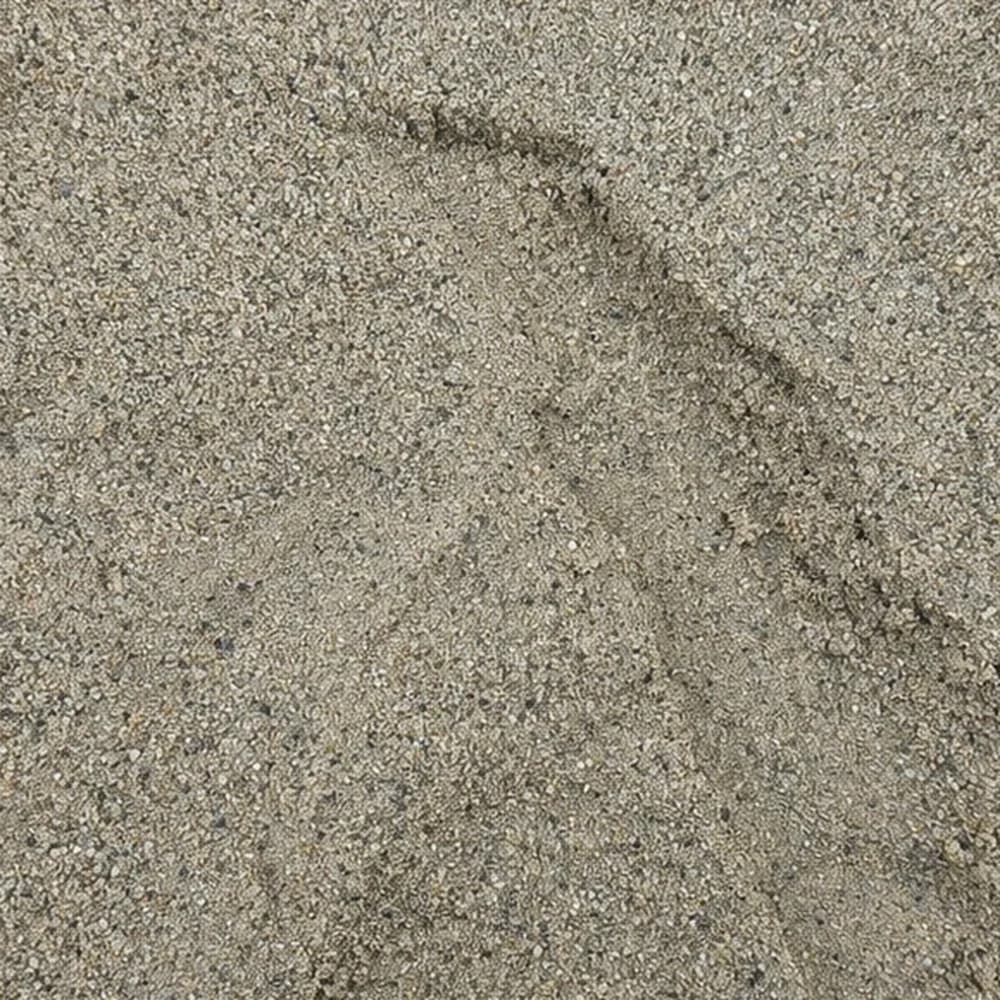
Washed Sand
For a Georgia crawlspace pad or concrete form, Washed Sand provides clean material for bedding, fill, and leveling. Size: Coarse-grained. Grading: Washed; free of clay, silt and organic debris.
Free Delivery
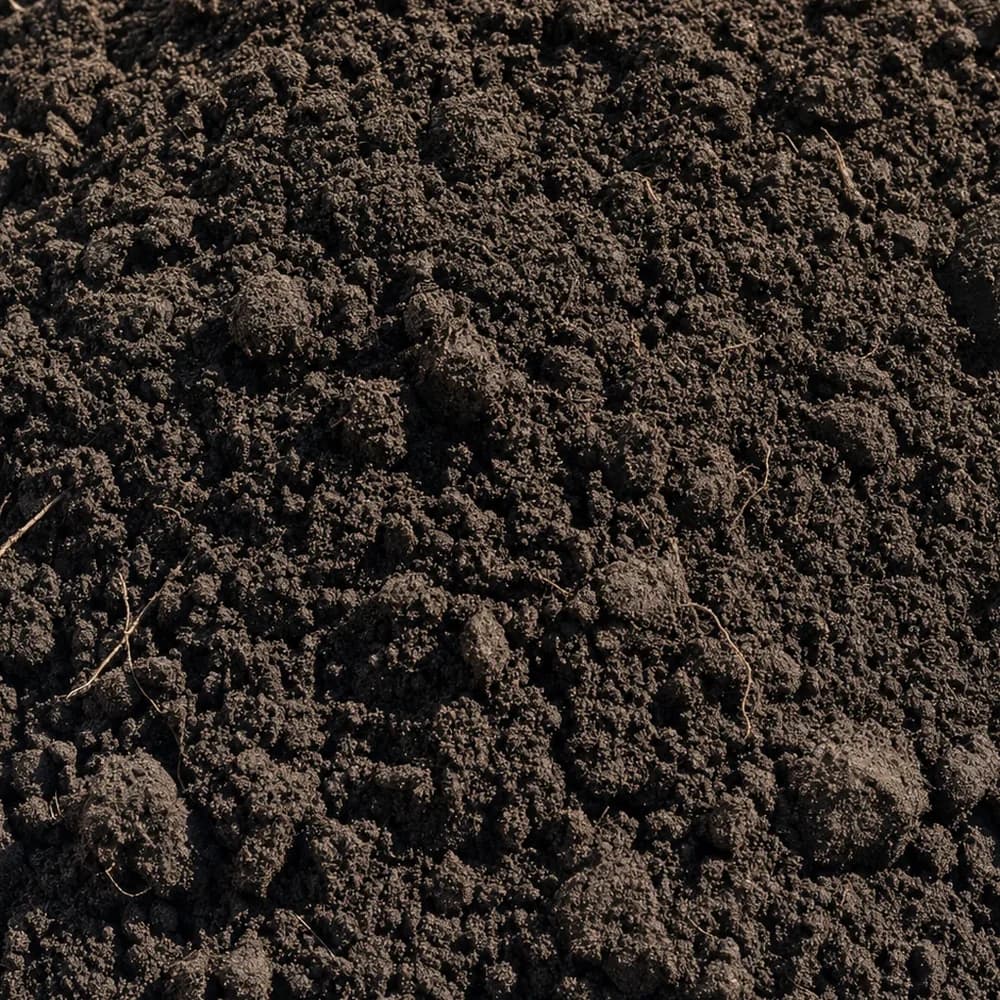
Top Soil
Smooth and easy to handle, Top Soil gives Georgia planting areas a finished growing surface for new turf, garden plots, and beds. Size: Screened; free of rocks, debris and large clumps. Grading: Balanced sand, silt and clay.
Free Delivery
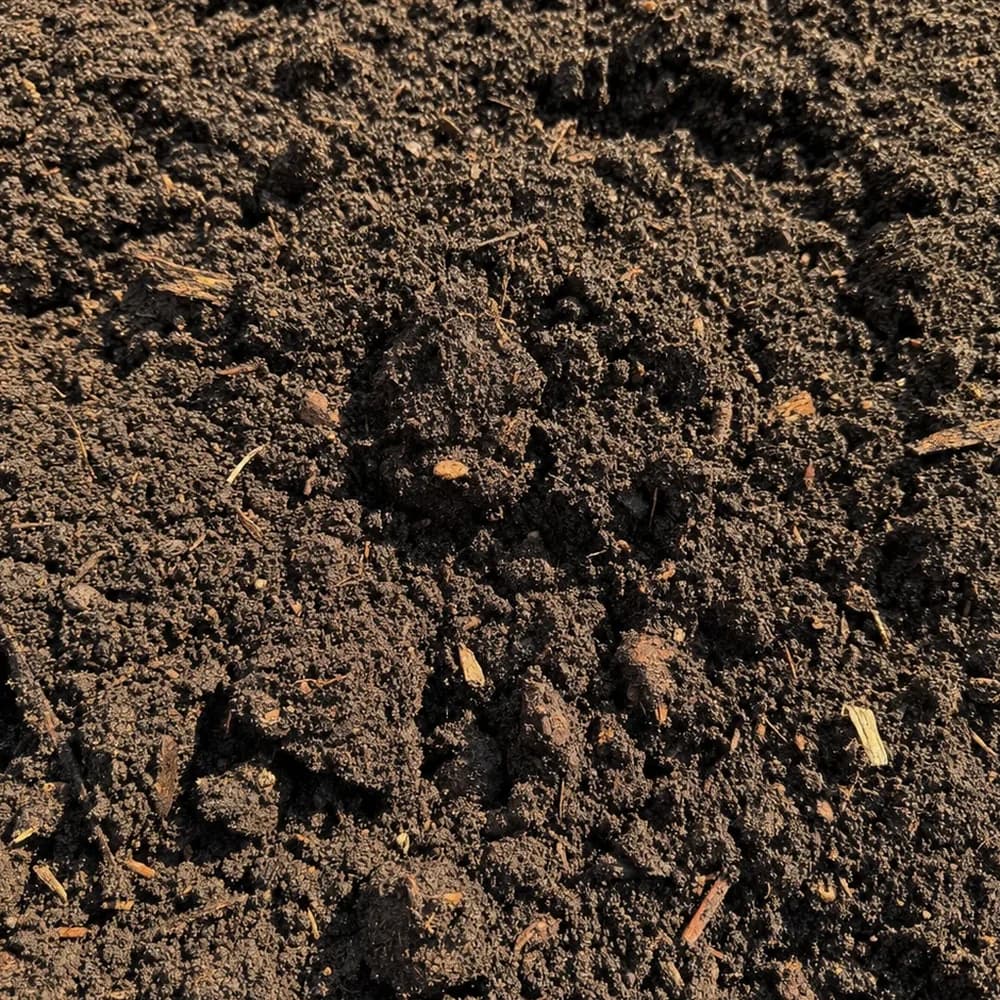
Garden Soil
Garden Soil supports Georgia vegetable patches, ornamental plantings, and raised growing spaces with compost for a workable planting medium. Size: Nutrient-enriched soil blend. Grading: Enhanced with organic compost.
Free Delivery
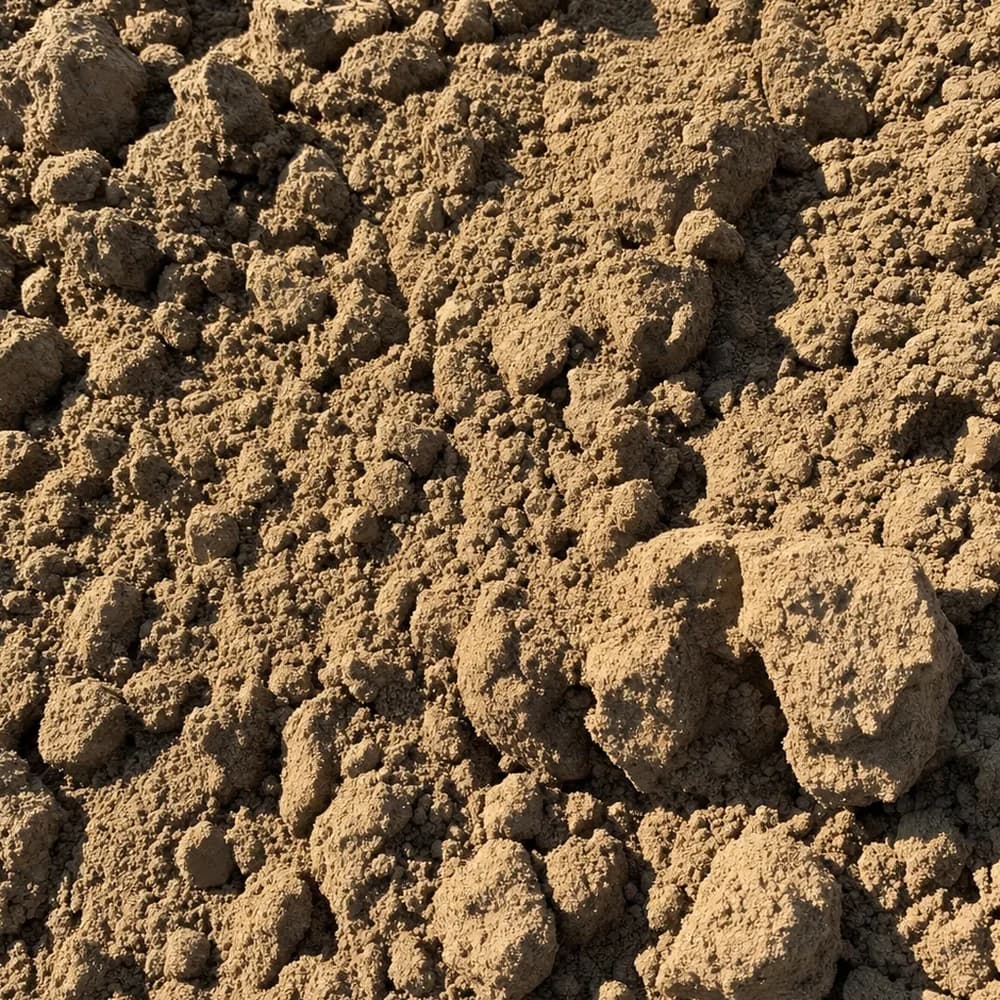
Fill Dirt
Georgia crawlspace pads need a firm rough grade before later work begins. Fill Dirt provides compactable earth for raising low ground and backfill. Size: Screened to remove large rocks, roots and debris. Grading: Minimal organic matter.
Free Delivery
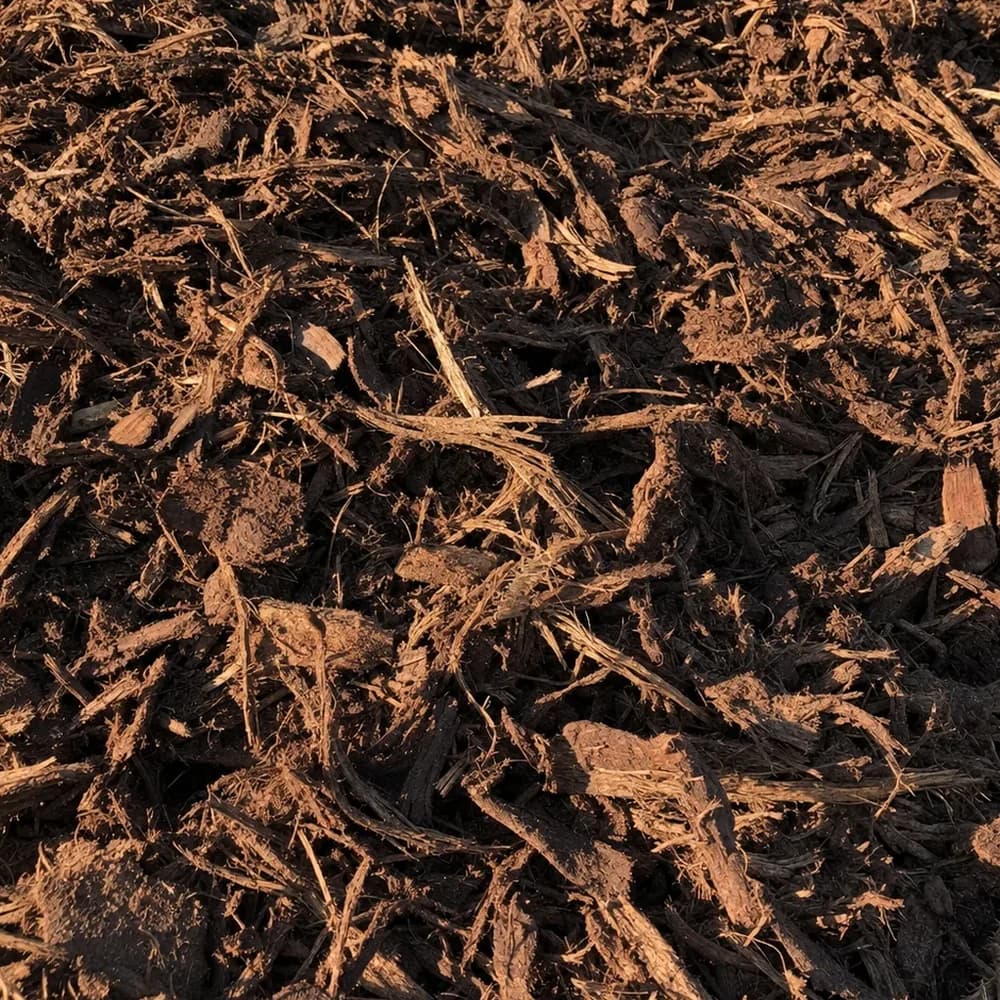
Shredded Mulch
Planning a garden bed in Georgia means covering exposed soil; Shredded Mulch provides a natural brown hardwood surface that holds moisture and limits weeds. Size: Consistent, medium-sized shreds. Type: Shredded hardwood. Color: Natural brown. Typical depth: 2-4 inch layer.
Free Delivery
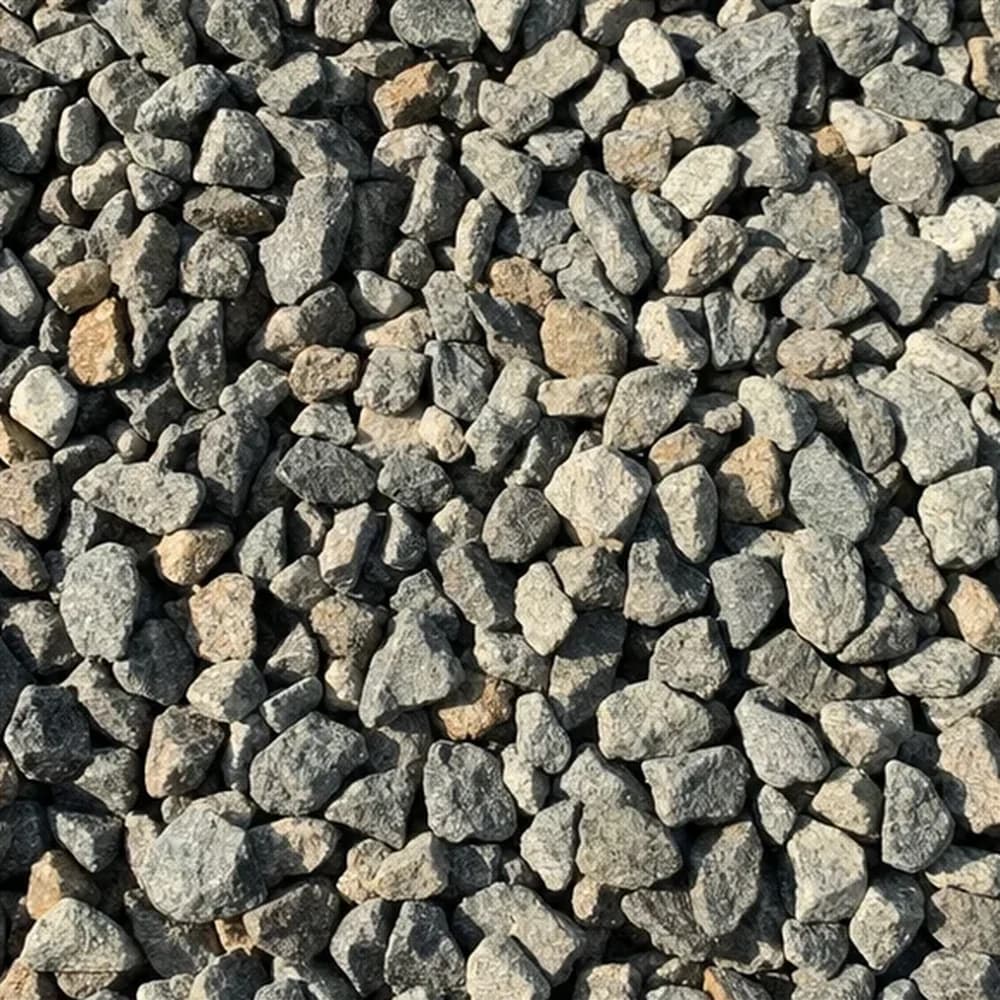
#89 Crushed Stone
Georgia red clay can rut when wet. #89 Crushed Stone fits the finish stage of paver, flagstone, chip-seal, or concrete work needing tight fill. Size: About 3/8 inch down to fines. Grading: #89, carries some fines. Type: Angular crushed stone.
Free Delivery
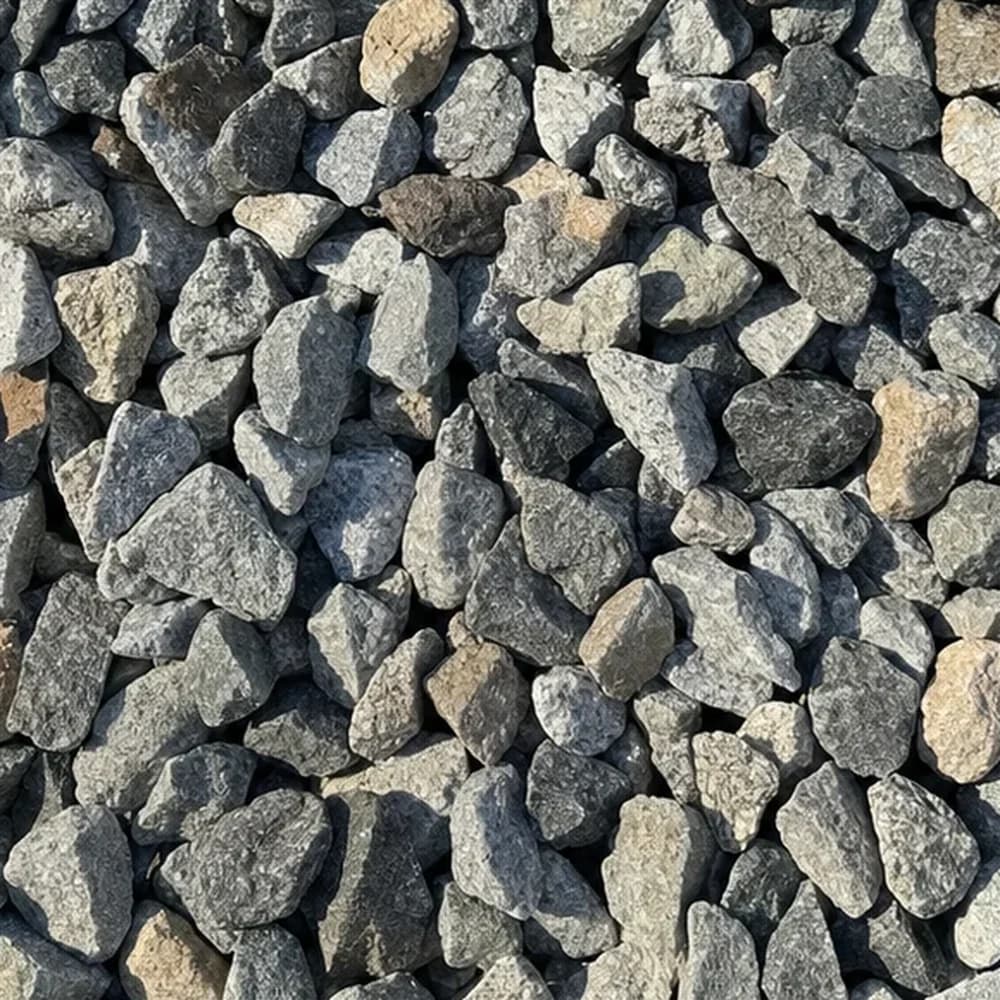
#8 Crushed Stone
For drainage through Georgia red clay, #8 Crushed Stone provides free drainage around pavers and serves in concrete mixes. Size: About 3/32 inch to 3/8 inch. Grading: #8, clean with little to no fines. Type: Crushed stone.
Free Delivery
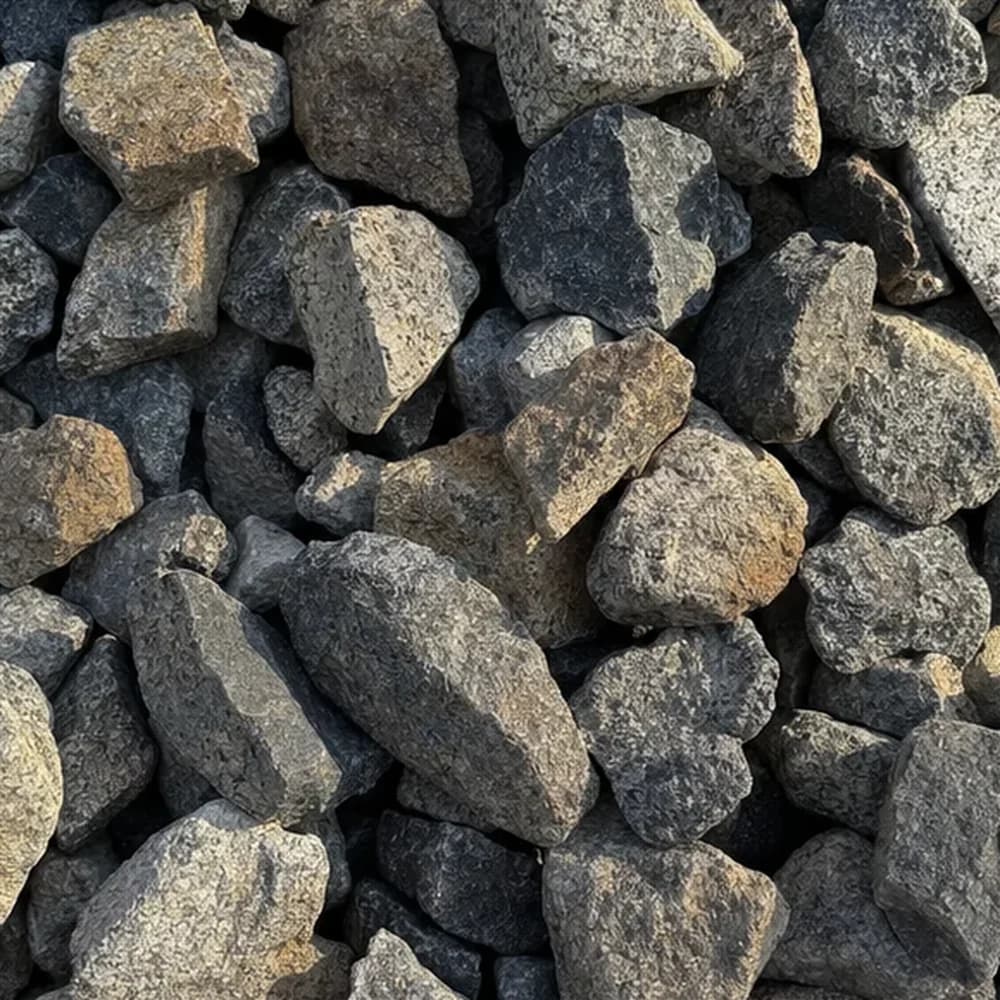
#4 Crushed Stone
Set #4 Crushed Stone low in a Georgia driveway build when wet red clay needs a clear route for water beneath regular traffic. Size: About 3/4 inch to 1-1/2 inches. Grading: #4. Type: Angular crushed stone.
Free Delivery
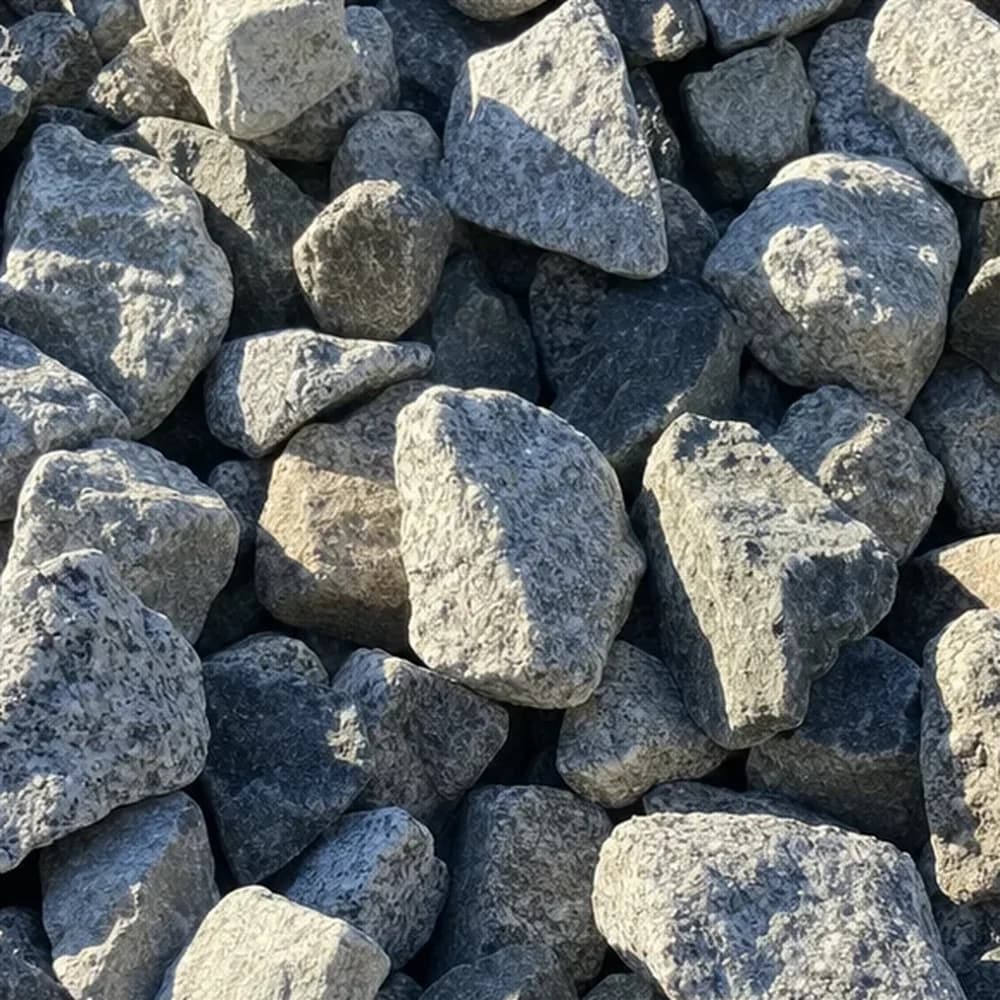
Railroad Ballast
Set Railroad Ballast in the supporting stone course of Georgia equipment pads and access routes where wet red clay calls for drainage beneath load. Size: Roughly 1 inch to 2.5 inches. Grading: Graded to interlock under load while draining freely. Type: Large angular crushed stone.
Free Delivery
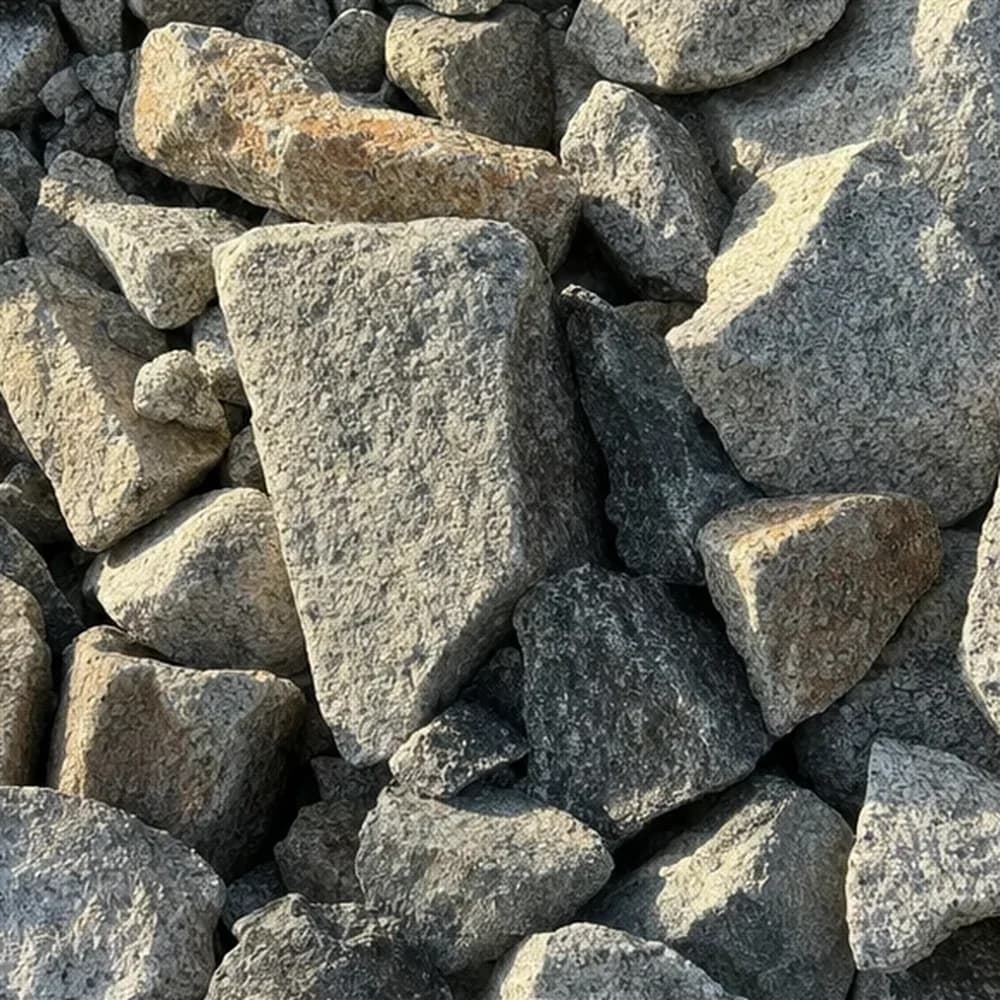
RipRap
RipRap gives Georgia runoff routes a rugged, heavy stone cover where water can wear into bare ground near banks, drainage paths, and culvert exits. Size: 4 inches to 12 inches and up. Type: Large, heavy stone.
Free Delivery
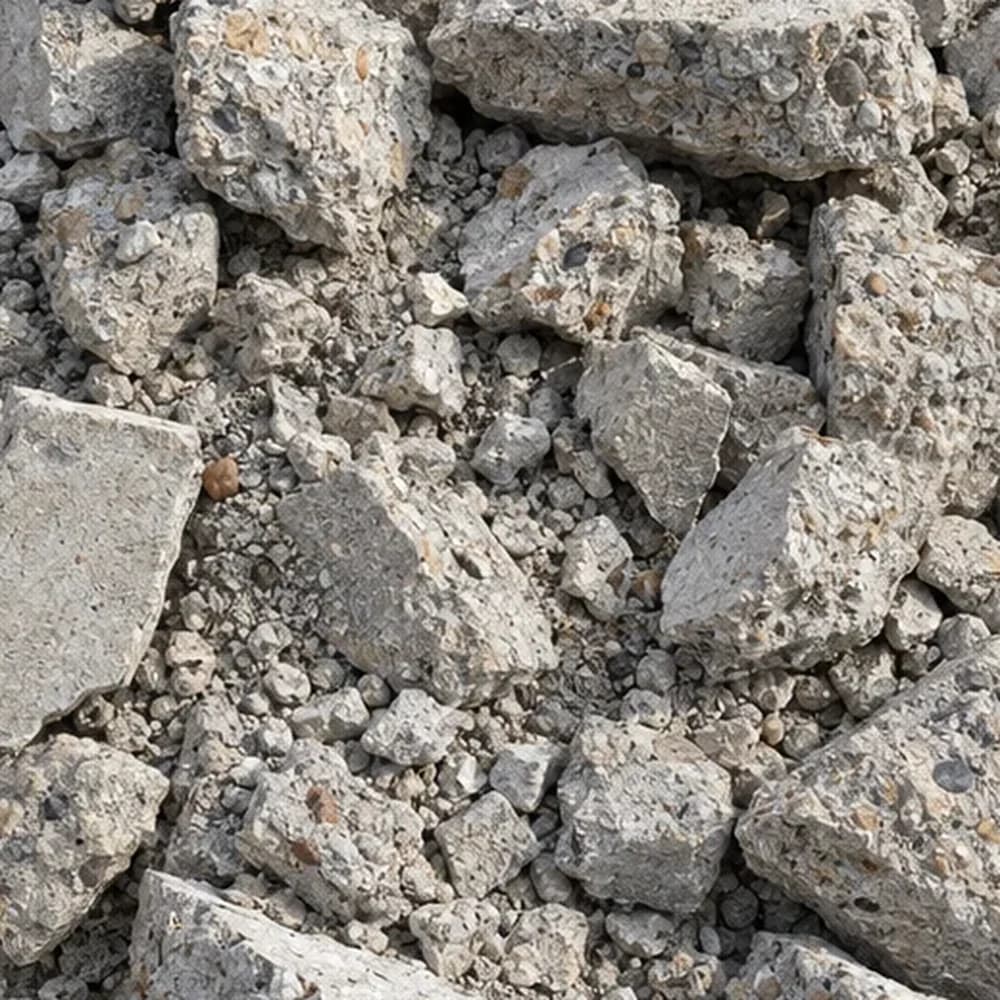
Crushed Concrete
Put Crushed Concrete beneath the finished surface when Georgia red clay needs a firm base for a driveway or work pad. Size: 3/4 inch. Grading: Angular pieces blended with fines. Type: Recycled crushed concrete.
Free Delivery
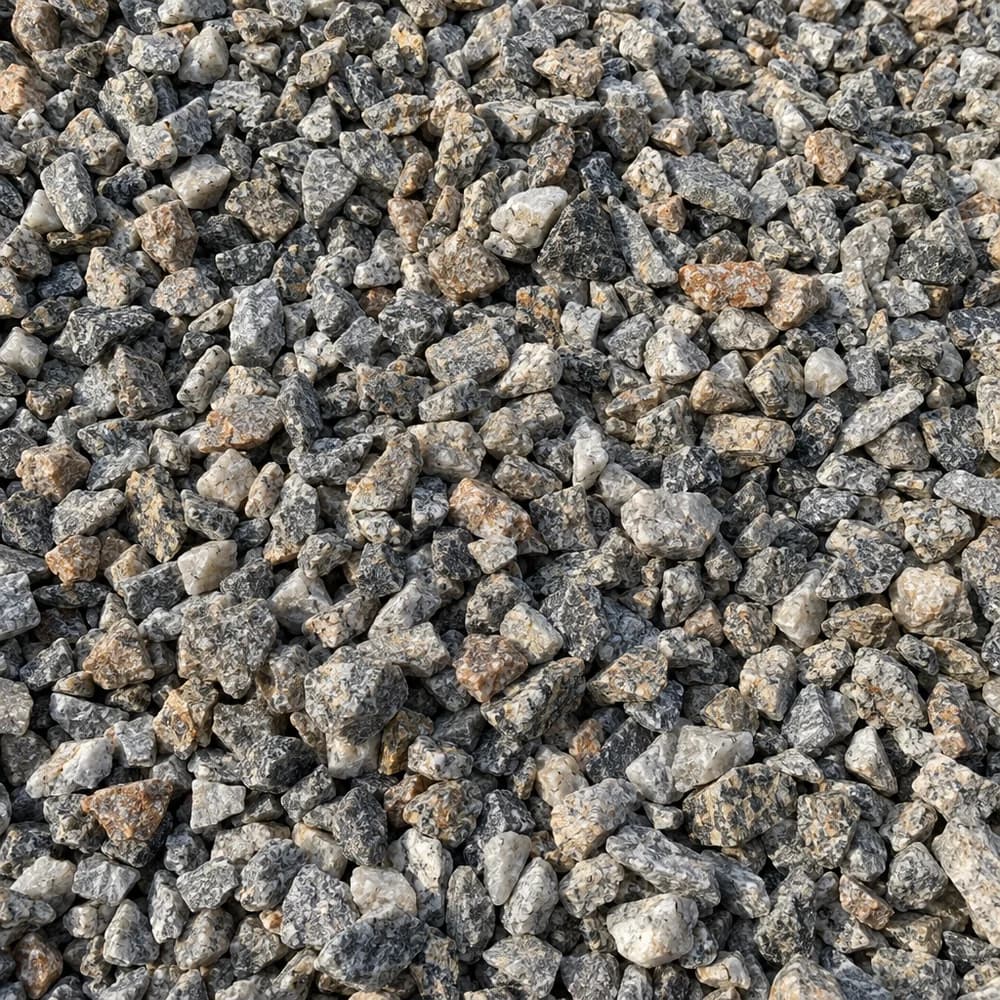
#78 Crushed Stone
#78 Crushed Stone leaves a neat, settled-looking surface in Georgia paver and walkway work while keeping the bedding course open for drainage. Size: About 1/8 inch to 1/2 inch. Grading: #78, washed with little to no fines. Type: Angular crushed stone. Supplied as: #78 or the closest local equivalent; we confirm the exact material before delivery.
Free Delivery
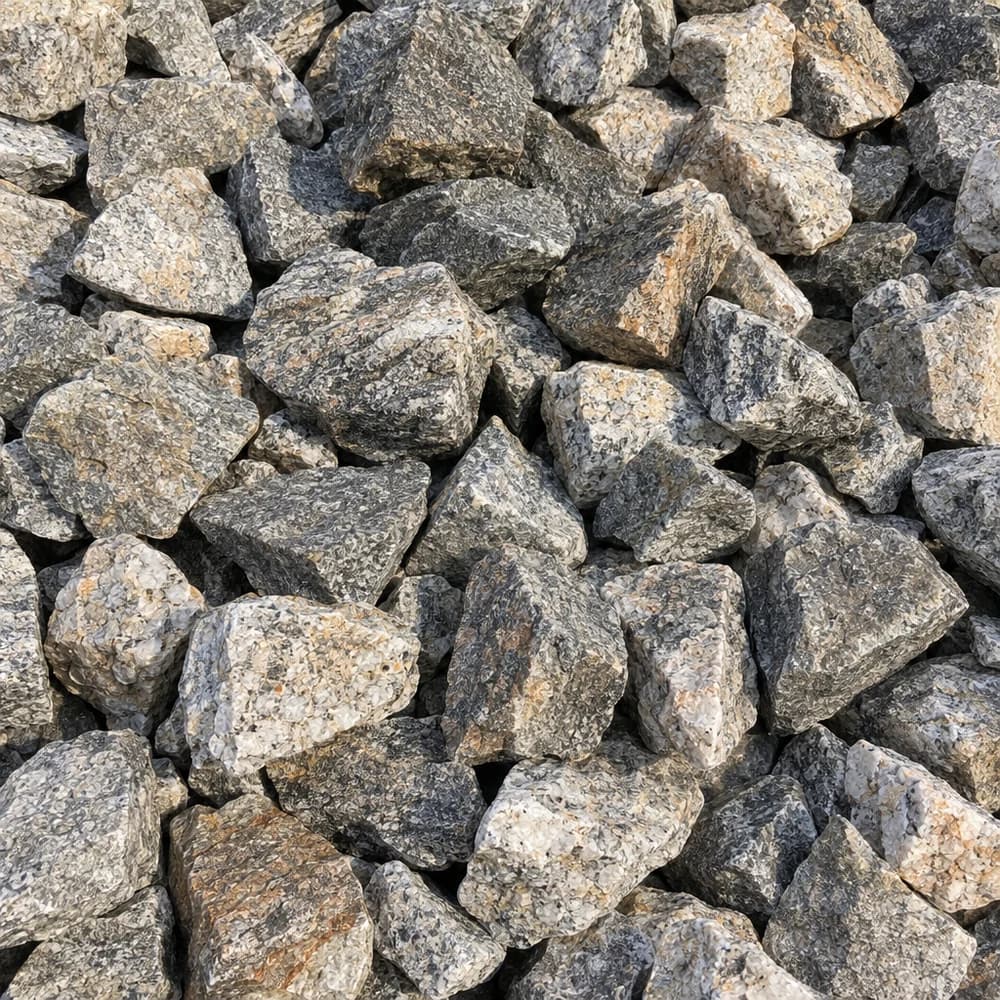
#2 Crushed Stone
Georgia red clay can rut when wet. #2 Crushed Stone leaves an open layer for construction entrances and culvert work. Size: About 1-1/2 inches to 2-1/2 inches. Grading: #2, washed with no fines. Type: Large angular crushed stone. Supplied as: #2 or the closest local equivalent; we confirm the exact material before delivery.
Free Delivery
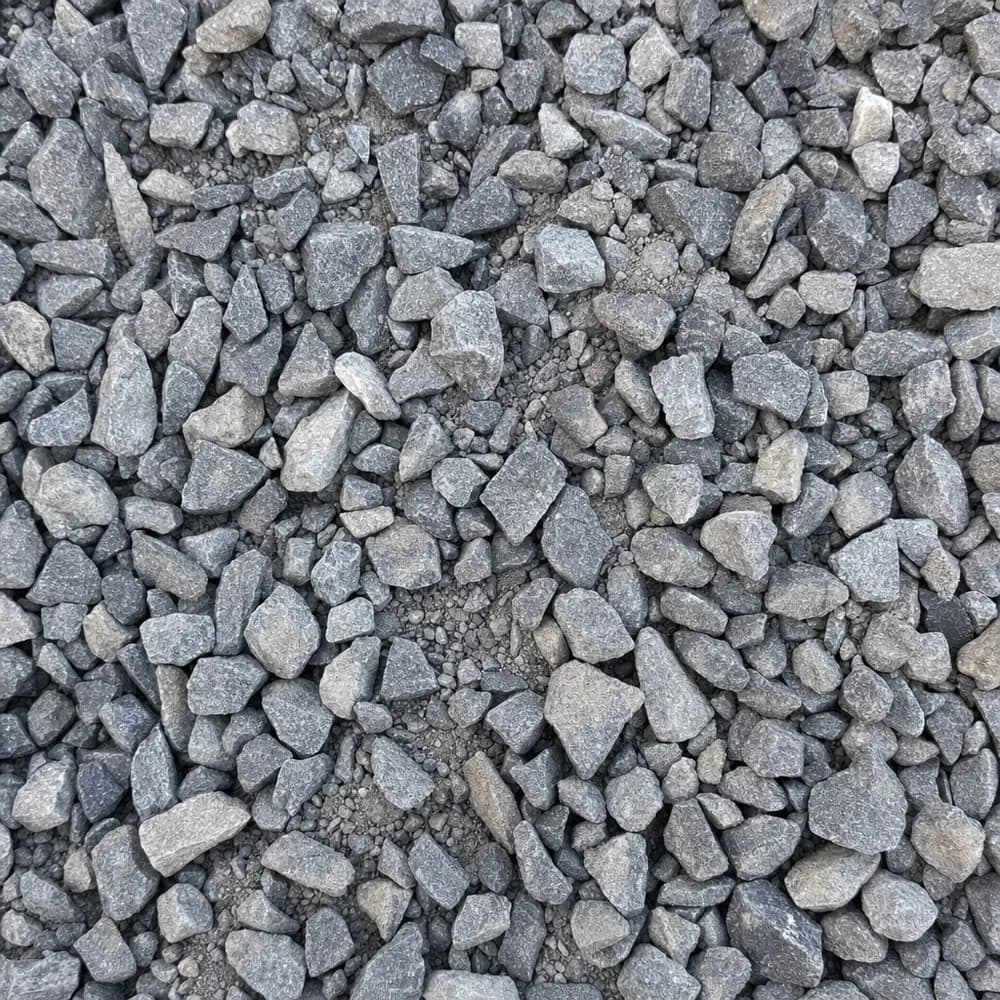
Gravel Sand
3/4 inch minus crushed stone blended with fine stone dust. Compacts tightly to create a rock-solid base for driveways, patios, and construction projects.
Free Delivery
Nobody stands in a red clay yard wanting a number 57. They want a drive that stops rutting, a bed that stops washing into the lawn, or a trench that carries water away from a foundation. The bulk landscape materials below are the answers to those jobs, and the quickest way through the list is to work out which of the four questions below your job is really asking.
Does water move through it, or stop against it?
This is the split that most of the stone half of the catalogue turns on. Washed and clean stone has the fines taken out, so the gaps stay open and water keeps moving: #57 Granite, #67 Stone, Drain Rock, #8 Crushed Stone and, where the volume is heavy, #4 Crushed Stone. These are the trench, French drain and behind-a-wall materials, and on Piedmont clay that holds water once it is saturated they earn their place.
Material with fines does the opposite. GAB (Graded Aggregate Base) at 1 inch minus and Crusher Run at 3/4 inch minus both carry stone dust through the mix, and under a compactor those fines wedge the larger pieces together into a layer that stays where it is put. Screenings are the fine end of the same idea. GAB is the designation a Georgia spec writes for graded base, and a rock name on a listing is local usage; the size and grading on the product page are what an order is made against. 3/4" Crushed Stone and 3/8" Crushed Stone sit between the two, angular enough to lock up but open enough to drain.
Is it the layer nobody sees, or the one they do?
Buried layers are chosen for behavior. GAB and crusher run go underneath. Railroad Ballast is the coarse end, for hard standing and severe drainage. RipRap armors a creek bank or a culvert outlet against storm runoff, which in Georgia is what takes out a bank rather than frost.
Visible layers are chosen for how they wear and how they look. Driveway Gravel is graded to knit under tires; Walkway Gravel and #89 Crushed Stone suit paths and paver joints. 3/8" Natural Pea Gravel gives a smooth rounded surface for patios and play areas. River Rock and Large River Rock cover beds and hold a dry creek bed together.
Sand, soil or dirt: what is the ground asking for?
Mason Sand is ultra-fine and washed, for mortar, paver joints and play sand. Washed Sand is coarser, for bedding, leveling and work under slabs.
On the soil side, Fill Dirt raises a grade and backfills, Top Soil is the screened upper few inches where roots live, Garden Soil carries compost for beds and planting holes, and Shredded Mulch goes over a finished bed to hold moisture through a hot summer.
Tons or yards, and how do you get there from a tape measure?
Stone and gravel are sold by the ton, soils and mulch by the yard. The material calculators return both, using the weight this site publishes for each product, which is why a yard of mulch at roughly 600 lb and a yard of crusher run at roughly 3,000 lb come out five times apart on the same measurements. Measure in feet, enter depth in inches, and size each layer as its own calculation.
Common questions
The trench and the pad are a yard apart. Why can they not take the same stone?
Because the fines decide it. A trench needs the gaps between pieces left open, so washed stone such as #57 or drain rock is right. A pad needs the gaps filled and locked, so crusher run or graded aggregate base is right. Put the drainage stone under the pad and it rolls underfoot; put the base material in the trench and the dust packs solid and the trench holds water instead of shifting it.
I ordered fill dirt for a bed and nothing has taken. What went wrong?
Fill dirt is screened to have very little organic matter in it, which is what makes it good for building a grade and useless for growing. Cap it with four to six inches of screened topsoil for lawn, or use garden soil where you are planting. The three are ordered separately for that reason, not as one heap of soil.
Can a landscaping business order to a jobsite address?
Yes. Residential and commercial orders run through the same checkout, and the destination is set by the delivery ZIP code you enter, so it need not match the billing address. Note any site access restriction through the contact page before the order.
Do I add anything to the figure for a layer I am going to roll?
Leave the allowance ticked in the calculator for anything compacted, as it is by default (5%, or 10% on the dirt, crusher run, road base and paver base calculators). A specified base thickness is measured after compaction, so what you spread starts thicker than the finished layer, and a little always goes into the grass. Decorative beds and mulch do not need it.