Crusher Run for Georgia Pads, Patios and Turnarounds
Crusher Run wears as a tightly packed base under Georgia driveways, patios, and crawlspace pads on wet red-clay ground.
- Size: 3/4 inch minus
- Grading: Crushed stone blended with stone dust and fine particles
- Type: Angular crushed stone
From $389 for 1 ton, delivery included (larger loads cost significantly less per ton)
Free delivery included
Free delivery anywhere in Georgia
Pick a delivery date
Weekday delivery, earliest Oct 30
“Ordered Crusher Run from this company and it showed up exactly when I expected. The driver was friendly and took his time placing it right where I needed it.”
Mike F. · Verified Buyer
Get a Free Quote
Fill out the form and our sales team will get back to you within the hour.
Size and Grading
- Size
- 3/4 inch minus
- Grading
- Crushed stone blended with stone dust and fine particles
- Type
- Angular crushed stone
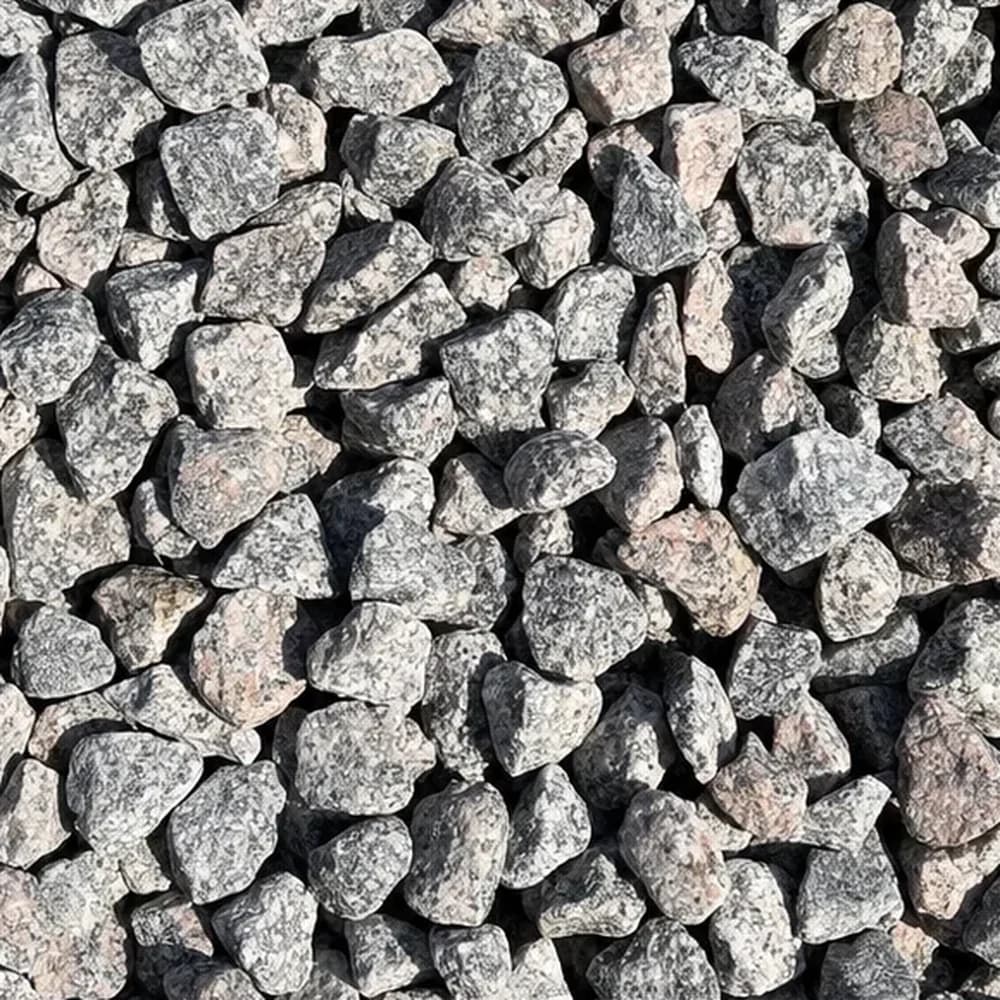
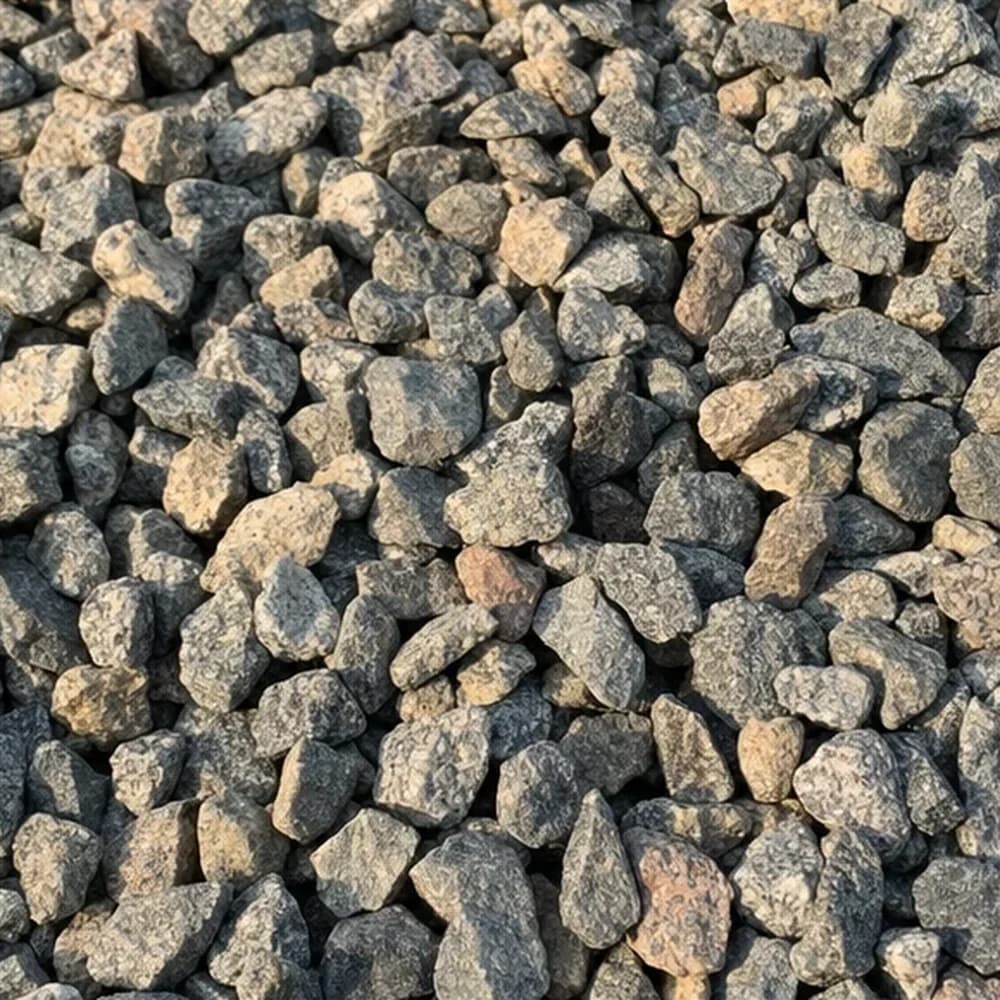
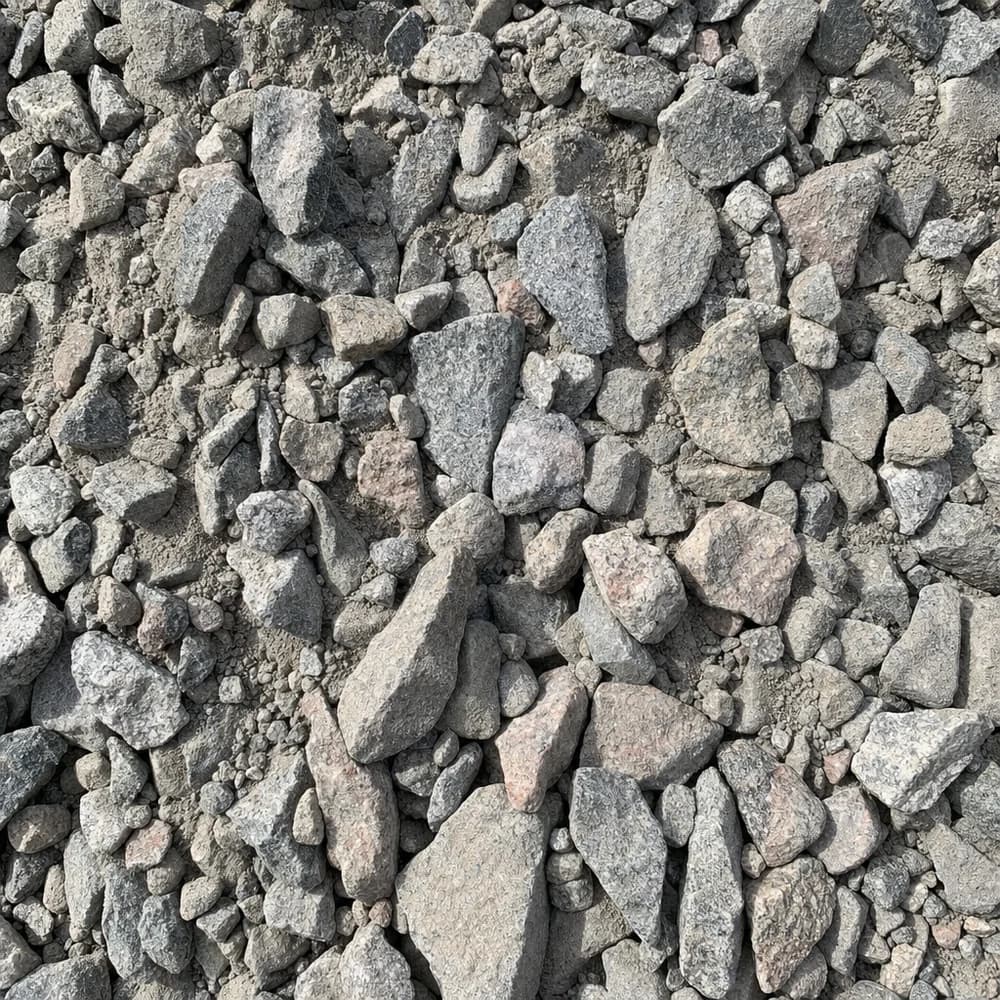
Tip a pile of crusher run and a pile of graded aggregate base onto the same red clay lot and most people cannot tell them apart from ten feet away. Both are gray, angular and full of dust. The difference sits in the top size and in what that does once a compactor goes over it. Crusher run is 3/4 inch minus: crushed stone blended with stone dust and fine particles, sold here under the name almost every Georgia yard and contractor uses for it, crush and run.
Crusher run and GAB, read from the pile
Kneel down at the edge of a fresh drop and take a handful. What you are holding is angular stone with nothing washed out of it, so the fragments range from three quarter inch pieces down to something close to flour. That full spread is the point. Under a compactor the fines migrate into the gaps around the larger pieces, and with a little moisture they bind rather than rattle loose.
GAB (Graded Aggregate Base) does the same thing with a 1 inch top size. That extra quarter inch gives a stronger bearing layer for drives and pads carrying weight. Crusher run's smaller top size makes it easier to screed flat, easier to feather at an edge and kinder to a rake, which is why it tends to win on the smaller jobs around a house.
Color is not a reliable guide either way. The stone behind both is the granite and gneiss that sits under the Piedmont, and a fresh pile reads gray and dusty until the first rain washes the faces clean.
Turnarounds, parking pads and the ground under a shed
A turnaround at the end of a long Georgia drive is the job crusher run is built for. It takes a car turning on the same arc every day, the surface wants to stay tight rather than scatter, and the whole thing is small enough to spread and compact over a weekend without hiring a machine for a week.
Parking pads work the same way. So does the pad under a shed, a gazebo or a garden workshop, where the point is to spread the structure's weight so it does not settle into clay unevenly and rack the door out of square.
Under pavers and flagstone, compacted crusher run is the layer that carries the load, with a bedding sand above it. Site prep is the fourth common use: filling low spots, establishing a grade and giving equipment something to work off while the rest of the job goes in.
Where the fines work against you: drain lines and bed cover
Crusher run is the wrong answer any time the job is about moving water through the material rather than over it. A French drain along a foundation is the clearest example. Put crusher run in that trench and the dust packs into every gap, the trench holds water instead of carrying it, and the foundation ends up wetter than before. That trench wants an open washed stone, which is #57 Granite or Drain Rock.
It is also the wrong pick as a visible surface in a bed or along a path. The fines wash out onto the lawn in the first thunderstorm and the remaining stone looks patchy. Decorative cover is a job for River Rock or a clean small stone.
A low spot or yard regrade is the in-between case. If the finished surface is going to be lawn or bed, fill with Fill Dirt and cap it with soil. If it is going to carry traffic, crusher run is right.
Depth over clay that stays soft after a wet week
Depth here is not a frost question. Freezes are light across most of Georgia and the residential code sets a 12 inch minimum footing depth, so what actually sets thickness is how much water the clay underneath is holding and what crosses the surface.
On firm, well-drained ground a patio base needs less than a pad that takes a loaded trailer. On clay that pumps water when you step on it, the answer is not simply more crusher run. Dig out the soft material, replace it with a coarse stone that will not squeeze, lay geotextile fabric, and then build the crusher run layer over that.
Spread in lifts of a few inches and compact each one. A full thickness dumped in a single pass compacts in the top couple of inches and stays loose underneath. Keep the material damp while you work it, because the fines need moisture to bind, and give every pad fall so a summer downpour runs off rather than standing.
Working out a 24 by 20 turnaround and a low spot
These are hypothetical examples, worked through so you can follow the arithmetic on your own measurements.
A turnaround 24 feet by 20 feet at 6 inches: 24 x 20 x (6 / 12) = 240 cubic feet, and 240 / 27 = 8.89 cubic yards. Order 9.
A low spot 15 feet by 10 feet averaging 4 inches deep: 15 x 10 x (4 / 12) = 50 cubic feet, and 50 / 27 = 1.85 cubic yards. Call it 2, and expect to lose a little of it into the ground as you compact.
Both figures are loose volume before compaction. This site's calculator pages put crusher run and road base at roughly 3,000 lb per cubic yard, about 1.50 tons per yard, and on that approximate figure the turnaround is 8.89 x 1.50 = about 13.3 tons and the low spot 1.85 x 1.50 = about 2.8 tons. Enter your own length, width and depth in the Crusher Run Calculator to check them. Delivery is arranged at checkout by ZIP code, and the driver needs clear access to the spot where the pile will land, so clear the drop area before the day.
What goes over the top once the pad is locked up
Crusher run belongs under the finished surface, not as the finished surface. Once the pad is compacted and holding its shape, decide what sits on it. Pavers and flagstone want a thin bedding course of Mason Sand or screenings. A drive or turnaround wants a surface stone over the top that sheds water and gives tires something to bite.
If you are sizing more than one layer, measure once and run each material through the calculator separately, then choose a quantity and a delivery date here. Anything unusual about the access is worth flagging through Contact first, and the delivery page covers how the ZIP code check works.
Quickly Calculate How Much You Need
Material: Crusher Run
How to Measure
Measure the length and width of your project area in feet
Decide on depth in inches (2" for landscaping, 4" for driveways)
Enter the values above and we'll calculate the tonnage you need
Need help figuring out the right amount? We can help!
Call or text us at (678) 562-7522 and we'll help you calculate the right quantity for your project.
Not sure how much you need? The Crusher Run Calculator has depth guides, coverage charts and worked examples for this material.
Frequently Asked Questions About Crusher Run
Customer Reviews
Ordered Crusher Run from this company and it showed up exactly when I expected. The driver was friendly and took his time placing it right where I needed it.
Mike F. · Augusta, GA · Verified Buyer
Grabbed Crusher Run from Georgia Rock Supply, and the driver was super friendly and careful about placing it right where I needed.
Jason V. · Sandy Springs, GA · Verified Buyer
Had these guys bring out Crusher Run and it was solid material. Free delivery was a nice bonus, I'd definitely use them again.
Megan G. · Columbus, GA · Verified Buyer
Ordered Crusher Run from this company and they delivered it right when they said they would. The Crusher Run was clean and consistent, and I'm really happy with how it turned out.
Dave P. · Macon, GA · Verified Buyer
Crusher Run has 4 verified customer reviews with an average rating of 5 out of 5.