Garden Soil for Georgia Raised Beds and Borders
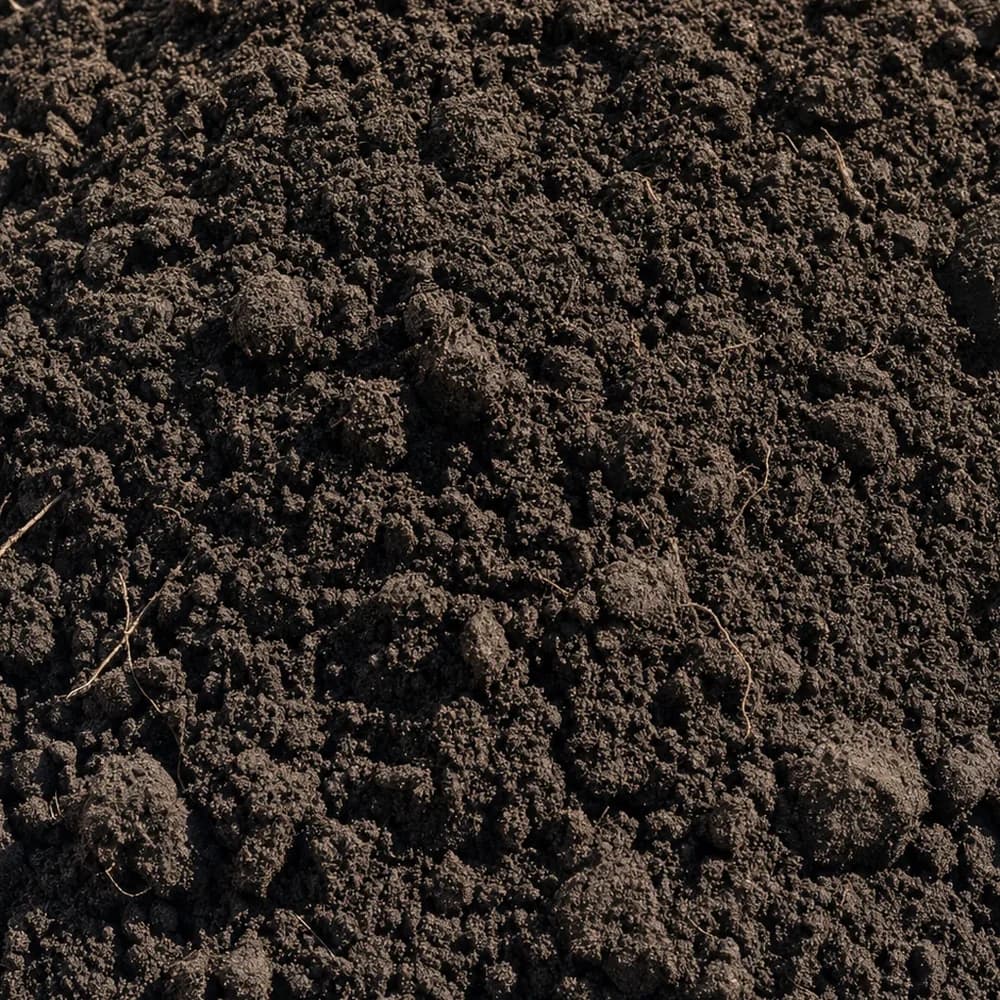
Garden Soil supports Georgia vegetable patches, ornamental plantings, and raised growing spaces with compost for a workable planting medium.
- Size: Nutrient-enriched soil blend
- Grading: Enhanced with organic compost
From $481 for 1 ton, delivery included (larger loads cost significantly less per ton)
Free delivery included
Free delivery anywhere in Georgia
Pick a delivery date
Weekday delivery, earliest Oct 30
“Had garden soil delivered by them and the pricing felt fair for what I got. The garden soil was top notch, and I'd definitely order from them again.”
Tom A. · Verified Buyer
Get a Free Quote
Fill out the form and our sales team will get back to you within the hour.
Size and Grading
- Size
- Nutrient-enriched soil blend
- Grading
- Enhanced with organic compost
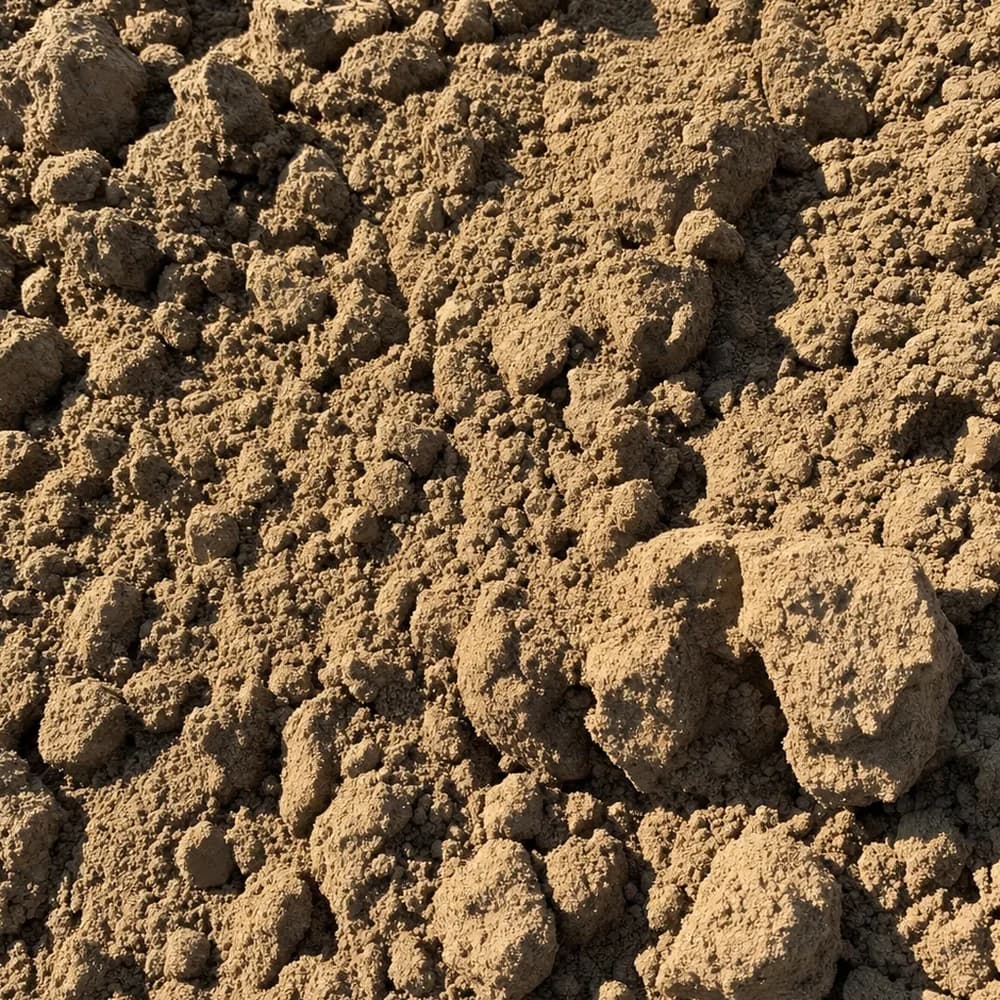
Most bulk garden soil in this state gets ordered to undo the same mistake. A bed was built on Piedmont red clay and filled with whatever came out of the hole, sometimes with a bag of amendment raked through the top few inches, and by the second summer the tomatoes are small, the roots have stayed shallow and the surface has set hard enough to crack. Clay is not poor ground. It holds nutrients well. What it does badly is let roots, air and water move, and no surface dressing changes that once the plants are already in.
What the compost in the blend actually changes
Garden Soil is a soil blend with organic compost worked through it, sold as a planting medium rather than a fill material.
The compost is doing structural work as much as nutritional work. Organic matter holds moisture through the dry weeks between Georgia thunderstorms, then gives water somewhere to drain when three inches arrive in an afternoon. It keeps the mix open enough for fine roots to travel through instead of bending around a hard face. It also feeds the soil organisms that turn organic matter into forms plants can take up, which is the part that keeps working after the first season.
What it is not is a structural material. It compresses, it holds water and it contains living material that keeps breaking down, so none of it belongs underneath anything you intend to build on.
Red clay in the Piedmont, sand in the Coastal Plain, and the same bag of problems
North of the Fall Line the ground is red clay over weathered granite and gneiss, often with very little topsoil left. Beds there need the blend for structure, and they need the layer to be deep enough that roots are not hitting clay in the first few inches.
South of it, across the Coastal Plain, the complaint runs the other way. Sandy uplands take rain almost as fast as it falls and hold very little of it, so a bed dries out between storms and nutrients wash straight through. The same compost content answers both, holding moisture in sand and opening structure in clay.
Either way, the bed still needs somewhere for water to go. A raised frame sitting in a hollow that stands wet after a storm will drown roots regardless of what is inside it.
Breaking the ground before the load arrives
Spreading a blended soil straight onto unbroken clay produces a sharp boundary that roots stop at and water sits on top of. Loosen the ground first, whether with a fork, a broadfork or a tiller, and only to the point where the surface is no longer sealed.
Then place the blend and mix the joint. Working the bottom couple of inches into the loosened ground gives roots a graded transition rather than a shelf. Rake it level, water it in properly rather than misting it, and leave it a few days before planting so the settling happens before the seedlings go in rather than after.
For a bed being refreshed instead of built, a top dressing spread across the planting area and lightly worked in does the job, replacing what a season of crops took out.
Three planting areas beside hardscape, and what goes under the hardscape itself
Three jobs come up together often enough to be worth separating, because the planting side and the structural side want completely different materials.
The ring around a fire pit surround is a good use. The planted border outside the paving is where this blend goes. The seating area itself, and whatever base sits under it, is stone work.
The strip along a pole barn or equipment pad is the same story with more traffic. Beds and screening plants along the edge take garden soil. The pad under the building takes a compacted base of GAB (Graded Aggregate Base), never soil of any kind, because organic material breaks down under load and the pad settles unevenly.
The verge beside a single-car gravel driveway is the third. A scalped, compacted strip along a drive comes back with a few inches of blended soil and seed or plants. The drive surface itself is a job for Driveway Gravel, and any low ground that needs raising before either one should come up with Fill Dirt rather than with a growing medium.
Keeping a bed fed through a Georgia summer
A new bed does most of its settling in the first month, helped along by watering and by the first few heavy storms.
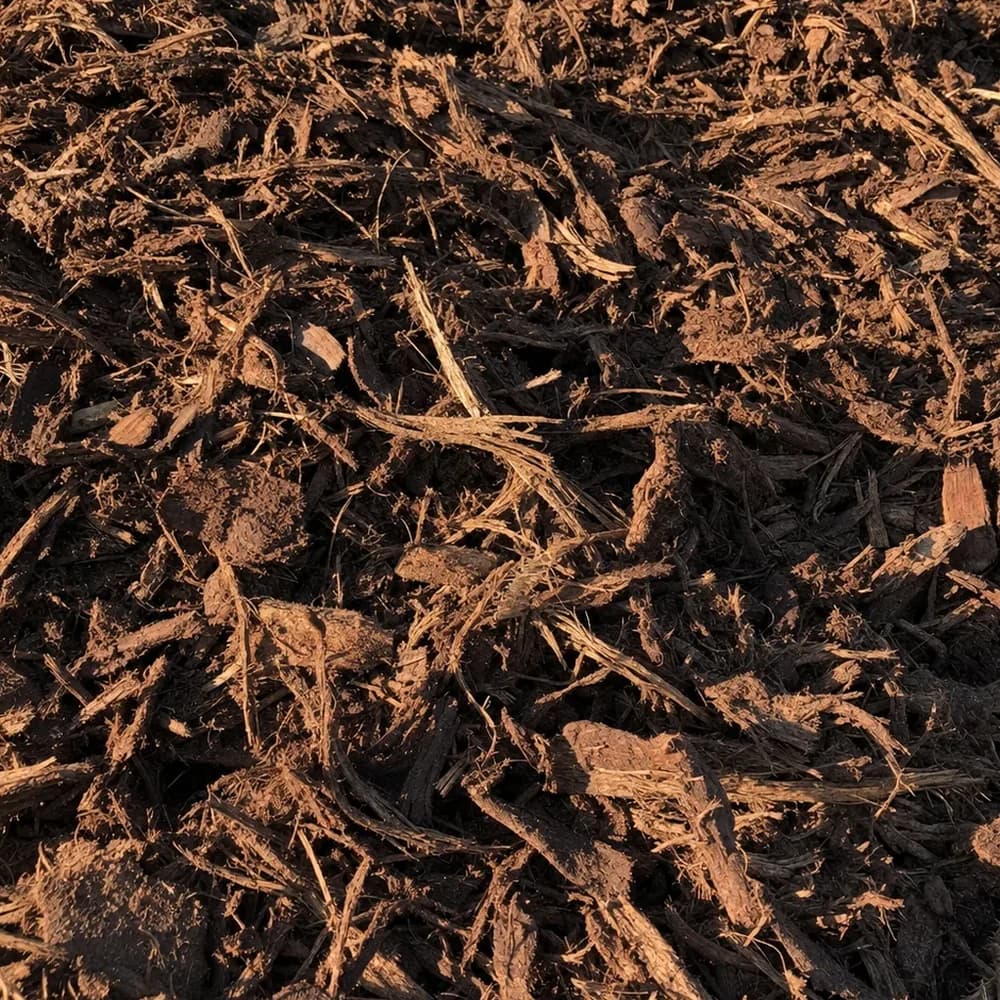
After that the maintenance is mulch and topping up. A layer of Shredded Mulch over the surface holds moisture through July and August and keeps the soil from crusting when a downpour hits bare ground. Beds lose depth every year as organic matter breaks down, so most Georgia gardeners add an inch or two each season rather than rebuilding.
Watch the low end of any sloped bed. Heavy summer rain moves light, open material downhill, and what collects at the bottom came off the top.
Yards and tons of garden soil for four raised beds and a fire pit ring
Hypothetical examples, worked through so you can drop in your own dimensions. This site's calculator pages give blended garden soil as roughly 2,000 lb per cubic yard, which is about 1.00 ton per yard, so the yardage and the tonnage come out close to the same number.
Four raised beds, each 4 feet by 8 feet, filled 10 inches deep: 4 x 8 = 32 square feet each, 32 x (10 / 12) = 26.67 cubic feet, times four beds is 106.7 cubic feet, and 106.7 / 27 = 3.95 cubic yards, so about 4 yards and near 4 tons.
A planting ring around a fire pit surround, 16 feet across overall with a 9 foot paved circle in the middle, at 8 inches: 0.7854 x (16 x 16) = 201.1 square feet, minus 0.7854 x (9 x 9) = 63.6 square feet, leaves 137.5 square feet. Then 137.5 x (8 / 12) = 91.7 cubic feet, and 91.7 / 27 = 3.4 cubic yards.
A verge along a 60 foot drive, 2 feet wide at 4 inches: 60 x 2 = 120 square feet, 120 x (4 / 12) = 40 cubic feet, and 40 / 27 = 1.48 cubic yards, so 1.5 yards covers it.
Run your own beds through the Soil Calculator, add a little for settling, then pick a quantity and a delivery date on this page. Delivery is arranged at checkout by ZIP code and the truck needs clear access to the drop spot, so if the only way in is a narrow side gate, say so through Contact ahead of the day and plan on wheelbarrows.
Quickly Calculate How Much You Need
Material: Garden Soil
How to Measure
Measure the length and width of your project area in feet
Decide on depth in inches (2" for landscaping, 4" for driveways)
Enter the values above and we'll calculate the tonnage you need
Need help figuring out the right amount? We can help!
Call or text us at (678) 562-7522 and we'll help you calculate the right quantity for your project.
Not sure how much you need? The Soil Calculator has depth guides, coverage charts and worked examples for this material.
Frequently Asked Questions About Garden Soil
Customer Reviews
Grabbed garden soil from these guys and it was top notch. Delivery was easy, and my garden is already looking way better.
Maria R. · Augusta, GA · Verified Buyer
Went with these guys for garden soil, and it was spot on for what I needed. Price felt fair too, good value and I'd definitely order again.
Sandra N. · Augusta, GA · Verified Buyer
Had garden soil delivered by them and the pricing felt fair for what I got. The garden soil was top notch, and I'd definitely order from them again.
Tom A. · Savannah, GA · Verified Buyer
Ordered garden soil from them and it was solid material, plus they kept me updated the whole time.
Paul N. · Augusta, GA · Verified Buyer
Garden Soil has 4 verified customer reviews with an average rating of 5 out of 5.