Shredded Mulch for Georgia Beds and Tree Rings Over Red Clay
Planning a garden bed in Georgia means covering exposed soil; Shredded Mulch provides a natural brown hardwood surface that holds moisture and limits weeds.
- Size: Consistent, medium-sized shreds
- Type: Shredded hardwood
- Color: Natural brown
- Typical depth: 2-4 inch layer
From $289 for 1 yard, delivery included (larger loads cost significantly less per yard)
Free delivery included
Free delivery anywhere in Georgia
Pick a delivery date
Weekday delivery, earliest Oct 30
“Had shredded mulch delivered by this company and ordering was painless. The driver was friendly and careful about where he placed it, which I really appreciated.”
Susan I. · Verified Buyer
Get a Free Quote
Fill out the form and our sales team will get back to you within the hour.
Size and Grading
- Size
- Consistent, medium-sized shreds
- Type
- Shredded hardwood
- Color
- Natural brown
- Typical depth
- 2-4 inch layer
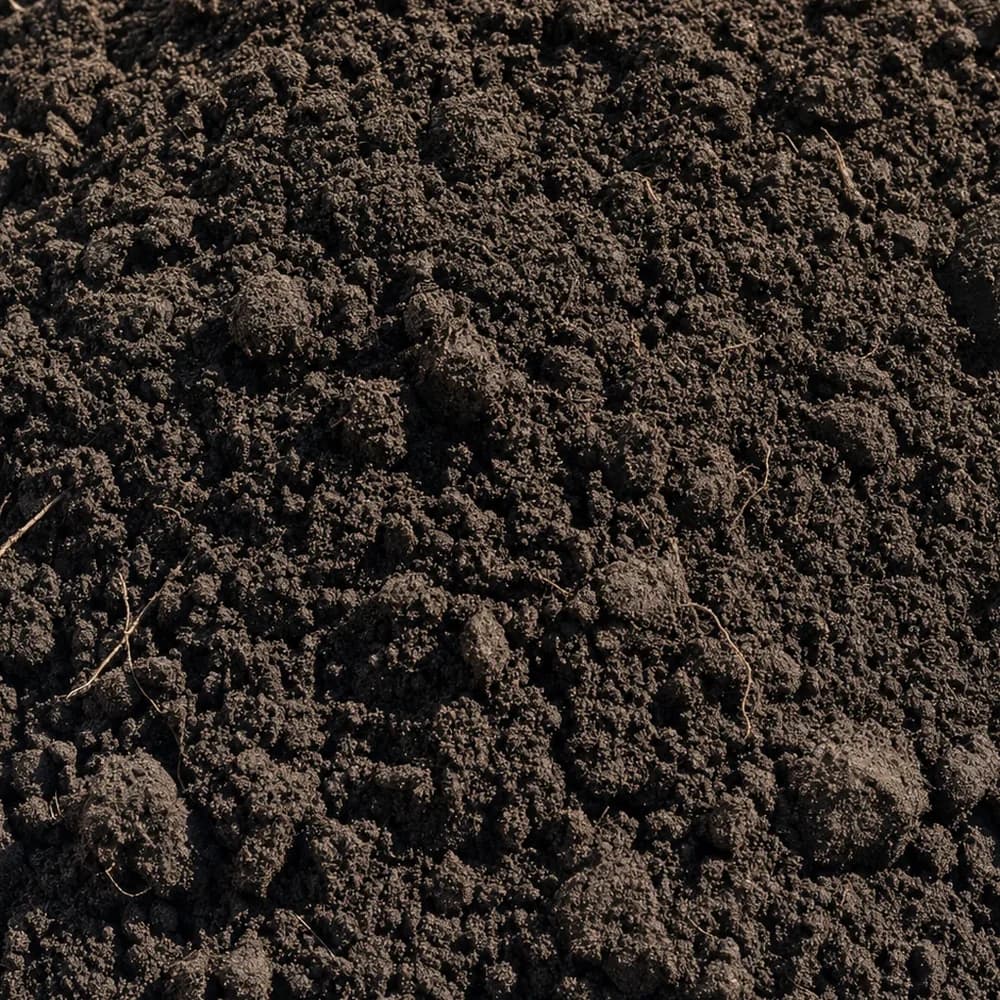
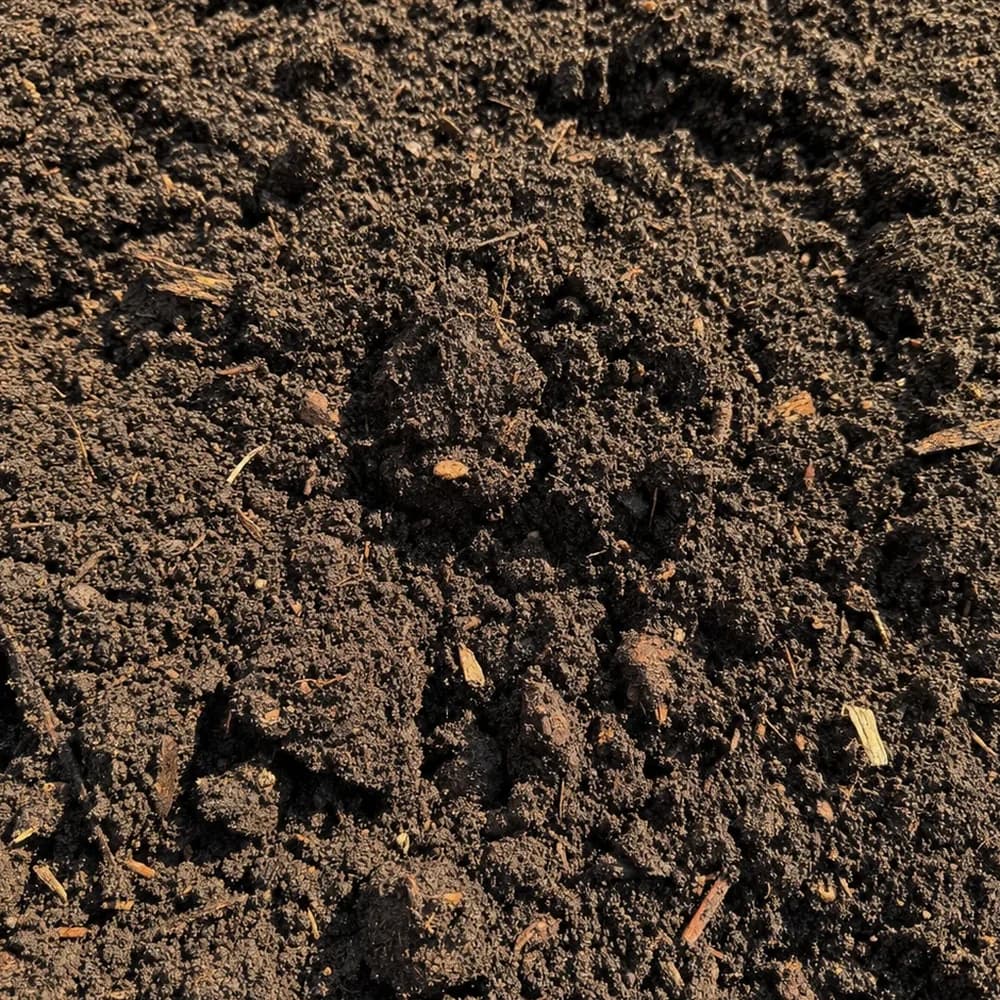
Put your hand into a fresh pile and it comes out darker than it went in. Shredded hardwood arrives damp, in medium-sized shreds rather than chunks, and the pile is already hooked together: pull a forkful away and it comes in a mat instead of a shovelful. That tangle is the whole reason this material is worth buying in a state where a July afternoon can drop an inch of rain on a bed in half an hour. Nugget mulch floats and leaves; shredded mulch knits down and mostly stays.
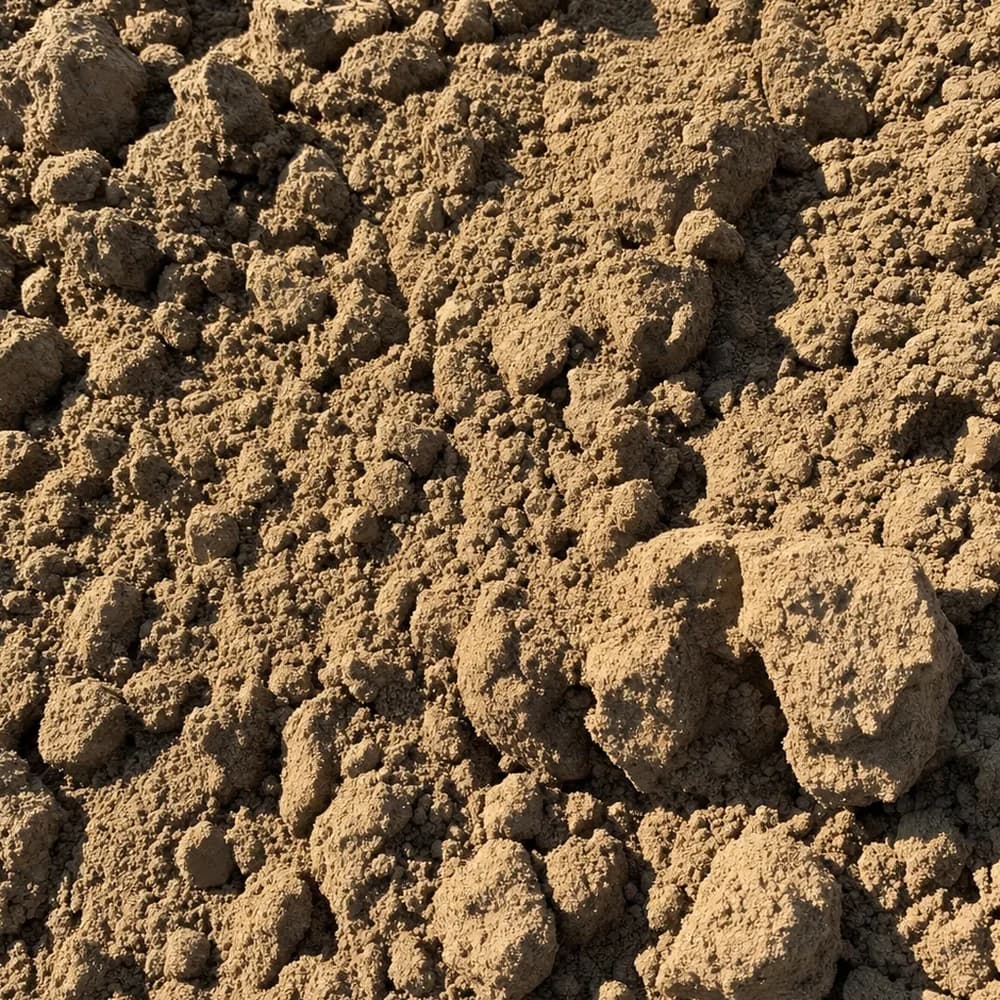
Bare red clay in August, and what a brown cover changes
Uncovered clay in a Georgia bed does three things you do not want. It crusts over at the surface, so the next downpour runs off it instead of soaking in and takes the top layer with it. It dries hard in the heat, pulling moisture out of the root zone between waterings. And it gives every weed seed that lands on it full sun.
A 2 to 4 inch cover of shredded hardwood is the ordinary fix for all three. It slows evaporation, shades weed seeds, keeps the soil temperature near the roots from swinging as hard through a hot week, and as it breaks down it puts organic material back into ground that mostly has none. On a Piedmont lot where the topsoil went downhill decades ago, that last point is the one that compounds.
It does not stop weeds outright. Leaf litter and pollen build up on top of any mulch layer, and what germinates in that is easy to pull rather than absent.
Spreading shredded mulch so it knits before the next storm
Plant first, mulch second. Trying to plant through a finished bed means digging mulch into the soil, and mulch in the soil is not the same thing as mulch on it.
Weed the bed properly, water it if the ground is dry, then wheelbarrow the mulch in and fork it out rather than shoveling. Spread to an even depth across the whole bed and rake the surface lightly to settle the shreds into each other. Two to four inches is the working range: shallower and the ground shows through by August, deeper and it stays wet against stems and stops water reaching the roots at all.
On a bed with any slope, work across the fall rather than down it, and give the downhill edge a physical boundary. A tread from a boot or the back of a rake presses the surface shreds together, and a knitted surface survives a storm that would strip a fluffy one.
Keeping it off trunks and out of the lawn
Two habits account for most of the damage mulch does.
The first is piling it against a trunk. A ring should be a doughnut with the bark clear in the middle, not a cone. Mulch held against bark keeps it permanently damp, and that is where rot and pests start. The pack's own guidance for rings is moisture conservation and keeping the mower away from the trunk, and both work better with a gap.
The second is running mulch flush to grass. The boundary wants a cut edge or a physical border with the mulch finishing below the top of it, or the first storm will float a brown tide across the lawn. A trench edge cut with a spade is free and works as well as anything you can buy.
What a Georgia summer takes out of a bed
Color goes first. A bed laid in March reads deep brown, and by late summer the surface has faded toward gray while the layer underneath is still dark. That is sun rather than failure, and turning the top inch over with a rake brings the color back without adding material.
Depth goes next, slowly. Hardwood breaks down from the bottom up, and a long humid summer speeds that along. Most beds here want a top-up each spring rather than a full replacement, and a top-up is a fraction of the original volume.
Check the depth before you order rather than assuming. Pull the layer back in a couple of spots: if there are still two or three inches of recognizable shreds, the bed needs a thin refresh, not another full load.
A fire pit surround, a pole barn pad and a single-car drive
Three jobs people put mulch on that should get something else.
A fire pit surround should not be mulch at all. Hardwood shreds are fuel, embers travel, and a dry August bed near an open fire is a genuine hazard. Surface that ring in stone instead: 3/8" Natural Pea Gravel for something comfortable underfoot, or Screenings for a firm packed surface.
A pole barn or equipment pad needs a compacted base that carries weight and stays put under tires. That is Crusher Run or GAB (Graded Aggregate Base), built in lifts and compacted. Mulch under machinery turns to slick paste in the first wet week.
A single-car gravel drive is the same answer with a different surface: a compacted base with Driveway Gravel over the top. Organic material has no place in a drive build, because it rots, compresses and leaves the surface uneven.
Four tree rings and a long foundation border, measured out
Hypothetical examples with the arithmetic shown. The site's calculator pages put shredded mulch at roughly 600 lb per cubic yard, about 0.30 tons per yard, which is why this material is ordered and talked about by the yard rather than by weight.
A foundation border 70 feet long and 5 feet wide at 3 inches: 70 x 5 = 350 square feet. Then 350 x (3 / 12) = 87.5 cubic feet, and 87.5 / 27 = 3.24 cubic yards, roughly 0.97 tons.
Four tree rings, each 6 feet across with a 1.5 foot gap left clear at the trunk: one ring is 0.7854 x (6 x 6) = 28.27 square feet, less 0.7854 x (1.5 x 1.5) = 1.77 square feet, so 26.5 square feet each and 106 square feet for four. At 3 inches: 106 x (3 / 12) = 26.5 cubic feet, and 26.5 / 27 = 0.98 cubic yards, about 0.29 tons.
Together that is 4.22 cubic yards. Order 4.5 yards, near enough 1.35 tons, and the spare goes on whichever bed looks thinnest. Check your own measurements against the Mulch Calculator.
Ordering by the yard and getting it to the beds
The weight works in your favor here. A cubic yard of mulch is a fraction of what a yard of stone weighs, so this is a material one person can move with a wheelbarrow and a fork in an afternoon, which is not true of most things on this site.
The pile still needs somewhere sensible to land: on the drive rather than on grass, on a tarp, with room for the truck to back in and tip clear of low branches. Mulch left on a lawn for a week kills the grass underneath it.
Pick a quantity and a delivery date on this page once the beds are weeded and planted. Delivery is arranged at checkout by ZIP code, set out on the delivery page. If the beds are behind a gate the wheelbarrow has to squeeze through, mention it through Contact before you book the date.
Quickly Calculate How Much You Need
Material: Shredded Mulch
How to Measure
Measure the length and width of your project area in feet
Decide on depth in inches (2" for landscaping, 4" for driveways)
Enter the values above and we'll calculate the tonnage you need
Need help figuring out the right amount? We can help!
Call or text us at (678) 562-7522 and we'll help you calculate the right quantity for your project.
Not sure how much you need? The Mulch Calculator has depth guides, coverage charts and worked examples for this material.
Frequently Asked Questions About Shredded Mulch
Customer Reviews
Decided on shredded mulch and had a really good experience with them. Delivery was easy, and the shredded mulch looked great once I spread it out. I'd definitely order again and recommend them.
Kevin S. · Macon, GA · Verified Buyer
Had shredded mulch delivered by this company and ordering was painless. The driver was friendly and careful about where he placed it, which I really appreciated.
Susan I. · Augusta, GA · Verified Buyer
Ordered shredded mulch from the team and it showed up clean and consistent. Really happy with it and would definitely order again.
Gina I. · Augusta, GA · Verified Buyer
Got shredded mulch from this company, and the driver was friendly and careful about where he placed it.
Lisa J. · Athens, GA · Verified Buyer
Shredded Mulch has 4 verified customer reviews with an average rating of 5 out of 5.