Mason Sand for Georgia Paver, Mortar and Play Jobs
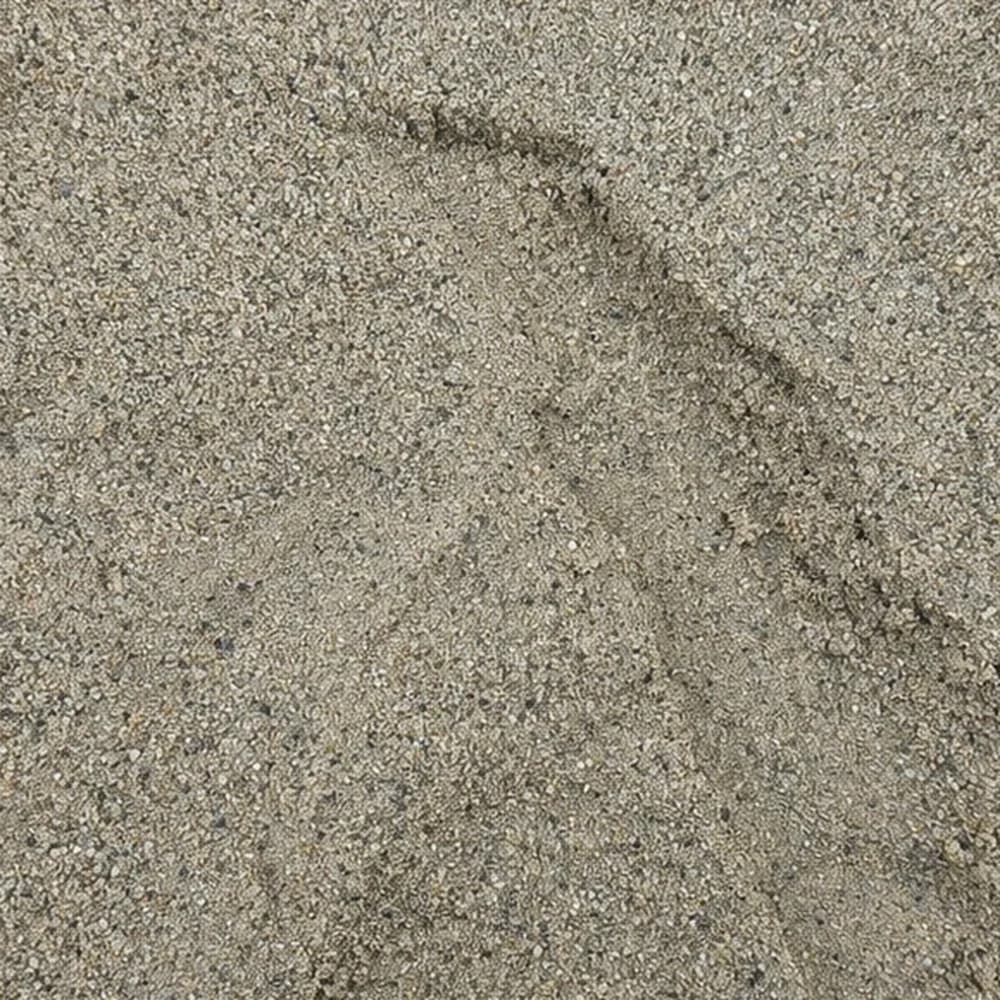
Choosing coarse sand for a smooth finish is a common mistake. Georgia Mason Sand suits mortar, paver joints, and soft play surfaces.
- Size: Ultra-fine, consistent grain size
- Grading: Washed to remove clay, silt and organic impurities
From $473 for 1 ton, delivery included (larger loads cost significantly less per ton)
Free delivery included
Free delivery anywhere in Georgia
Pick a delivery date
Weekday delivery, earliest Oct 30
“Got mason sand from these guys and it was solid material. Delivery showed up on the day they promised, which I really appreciated. I'd definitely order from them again.”
Mike V. · Verified Buyer
Get a Free Quote
Fill out the form and our sales team will get back to you within the hour.
Size and Grading
- Size
- Ultra-fine, consistent grain size
- Grading
- Washed to remove clay, silt and organic impurities
Sand work in Georgia follows the dry spells. A pile of washed mason sand left open through a week of afternoon thunderstorms drains and comes back, but the red clay underneath the job does not, and that is what actually decides when a paver apron or a mortar run goes in. Mason sand itself is the easy part: ultra-fine, consistent in grain size, and washed to take out clay, silt and organic material. The rest of this page is the questions people ask in the order they tend to ask them.
Which week of a Georgia summer should the sand land?
Not the week after four days of rain. Saturated clay under a paver job will not take compaction, and a bedding course screeded over ground that is still soft ends up following the ground down.
The best windows are a run of dry days in spring before the heat sets in, or the stretch of clear weather in early autumn once the afternoon storms have thinned out. Midsummer is workable, but the storms are convectional and arrive most afternoons, so plan to get the base compacted and the sand screeded within the same working day rather than leaving a screeded bed open overnight.
Winter is fine across most of the state for the ground itself, since freezes are light and shallow. In the north Georgia mountains a cold snap can put a mortar job on hold, because fresh mortar and freezing nights do not get along.
Is mason sand the bedding layer or the base?
This is the question that causes the most trouble, and the answer is always bedding. Mason sand is a setting layer and a jointing material. It is not structural, it does not compact into a load-bearing course, and it cannot make up for a base that was not built properly.
Under pavers it goes over a compacted stone base as a thin screeded course, which is what lets you set each unit flush without shimming. Between pavers it gets swept into the joints so the units interlock. In a sandbox or on a court it is the surface itself. In mortar or stucco it is the fine aggregate in the mix.
What it must never be is the thing carrying the load. That job belongs to Crusher Run or GAB (Graded Aggregate Base) underneath.
What goes under it on red clay?
Strip the turf and topsoil, cut the area to grade with fall away from the house, and build a compacted stone base on top of that. On ground that pumps water when you walk on it, dig out the soft clay, replace it with a coarse stone and lay geotextile fabric before the base goes in.
Then the sand, and only a thin course of it. Thick bedding sand is the classic reason a patio develops waves in its second year: the deeper the sand, the more there is to migrate and settle under traffic.
Screed it flat with a straight edge running on rails, work backwards so you are not standing in what you have just leveled, and set the pavers straight onto the screeded surface without walking on it first.
How much does a paver apron beside an RV pad take?
Hypothetical examples, worked through so you can run the same arithmetic on your own dimensions.
A paver apron 12 feet by 30 feet beside an RV or boat pad, bedded at 1 inch: 12 x 30 x (1 / 12) = 30 cubic feet, and 30 / 27 = 1.11 cubic yards. Order a yard and a quarter, which leaves a little for the joints.
A garden path of flagstone, 3 feet wide and 45 feet long, bedded at 1.5 inches: 3 x 45 x (1.5 / 12) = 16.88 cubic feet, and 16.88 / 27 = 0.63 cubic yards. Three quarters of a yard is plenty.
Both are loose volumes before screeding and settling. This site's calculator pages put mason and washed sand at roughly 2,700 lb per cubic yard, about 1.35 tons per yard, and on that approximate figure the apron is 1.11 x 1.35 = about 1.5 tons and the flagstone path 0.63 x 1.35 = about 0.85 tons. Take your own length, width and depth to the Paver Sand Calculator to check them.
Can it go down a long rural lane or a garden path?
A long rural lane is the one job on this page where the answer is a flat no. Sand on a lane rills in the first storm, tracks into the grass, and gives tires nothing to bite. A lane wants Driveway Gravel over a compacted base, and nothing finer.
A garden path is different depending on how it is built. A flagstone or stepping stone path bedded in mason sand works well, and the sand in the joints keeps the stones from rocking. A loose gravel path is not a mason sand job at all, because the sand will not stay where you put it under foot traffic; that wants Walkway Gravel or a small crushed stone.
Sandboxes and volleyball courts are the two places where the sand is the whole point. The washing is what makes that work, since it takes out the clay and organic material that would otherwise stain hands and clothes and pack down hard.
What has to be ready when the truck backs in?
A firm, clear drop spot, ideally on the drive rather than the lawn, because a loaded truck on wet red clay leaves ruts that outlast the patio. A tarp under the pile keeps the surface clean and makes shoveling much faster.
Cover the pile if the forecast is wet. Sand under a tarp stays workable; sand left open through a thunderstorm is heavy, sloppy and impossible to screed for a day or two afterwards.
Have the base compacted and ready before the sand arrives rather than after. The whole point of the schedule is that the bedding course and the pavers go down in the same dry window.
When you have your volume, pick a quantity and a delivery date on this page. Delivery is set by ZIP code at checkout, and the delivery page explains that check. If the drop has to happen behind a gate or on a narrow side yard, say so through Contact before you book.
Quickly Calculate How Much You Need
Material: Mason Sand
How to Measure
Measure the length and width of your project area in feet
Decide on depth in inches (2" for landscaping, 4" for driveways)
Enter the values above and we'll calculate the tonnage you need
Need help figuring out the right amount? We can help!
Call or text us at (678) 562-7522 and we'll help you calculate the right quantity for your project.
Not sure how much you need? The Sand Calculator has depth guides, coverage charts and worked examples for this material.
Frequently Asked Questions About Mason Sand
Customer Reviews
Got mason sand from these guys and it was solid material. Delivery showed up on the day they promised, which I really appreciated. I'd definitely order from them again.
Mike V. · Columbus, GA · Verified Buyer
Went with them for mason sand and it was exactly what I needed. Driver was friendly and really careful about where he placed it.
Paul C. · Macon, GA · Verified Buyer
Grabbed mason sand from this company and they kept me updated the whole time. Driver was friendly and careful about where he dropped it, super happy with how it went.
Dave E. · Athens, GA · Verified Buyer
Ordered mason sand from these guys and it showed up right when they said it would. The free delivery was a nice bonus, and the driver dropped it exactly where I needed it. Really happy with the whole thing and I'd definitely use them again.
Maria K. · Atlanta, GA · Verified Buyer
Decided on mason sand from this company and I'm really happy with how it turned out. Free delivery was a huge plus, and the pricing felt fair for what I got.
Steve J. · Augusta, GA · Verified Buyer
Mason Sand has 5 verified customer reviews with an average rating of 5 out of 5.