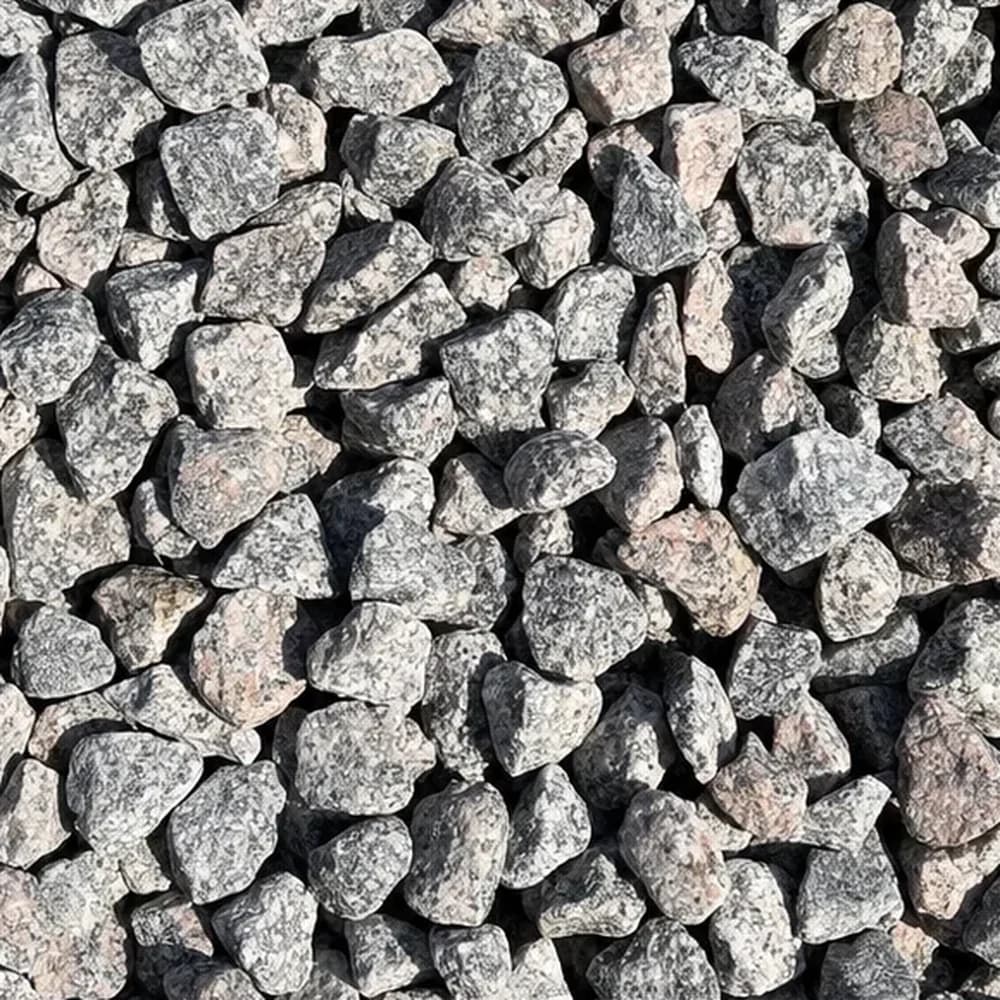
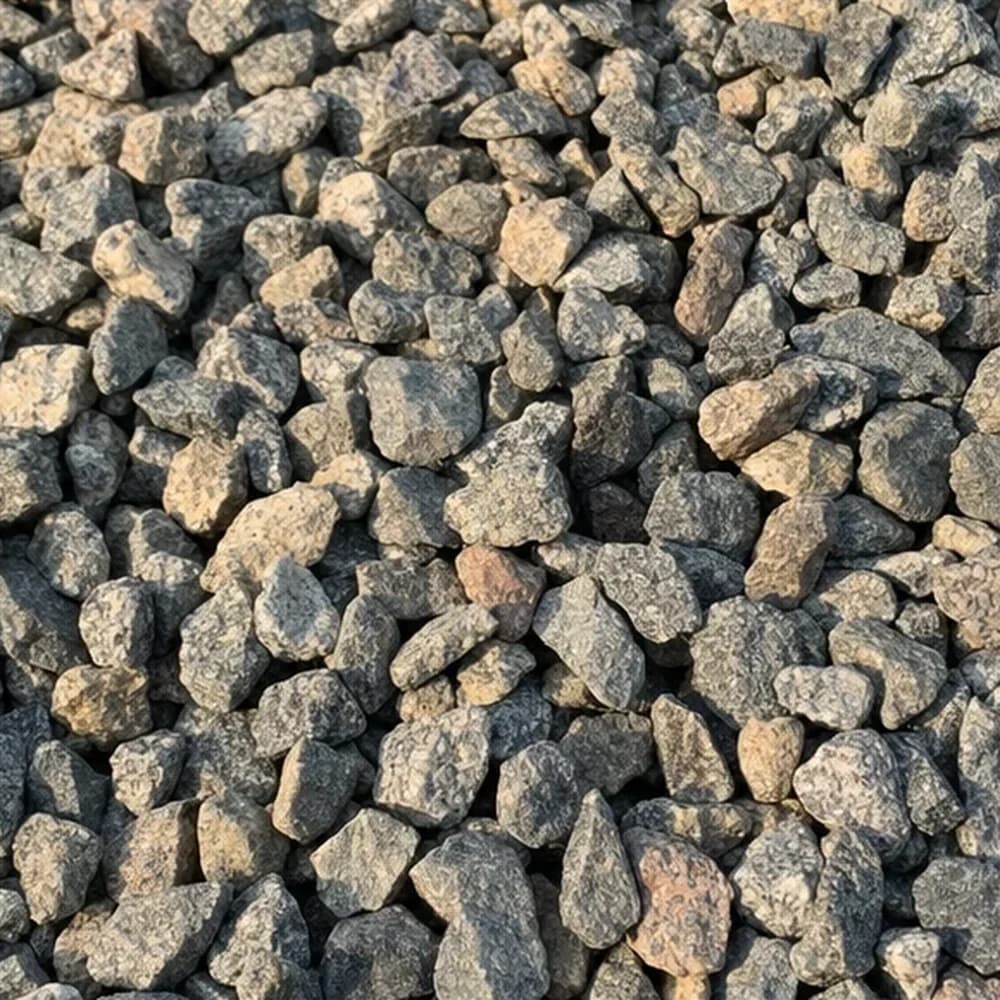
Washed Sand for Georgia Bedding, Backfill and Concrete Work
For a Georgia crawlspace pad or concrete form, Washed Sand provides clean material for bedding, fill, and leveling.
- Size: Coarse-grained
- Grading: Washed; free of clay, silt and organic debris
From $618 for 1 ton, delivery included (larger loads cost significantly less per ton)
Free delivery included
Free delivery anywhere in Georgia
Pick a delivery date
Weekday delivery, earliest Oct 30
“Picked up my order from the team and the washed sand was just what I ordered.”
Dana S. · Verified Buyer
Get a Free Quote
Fill out the form and our sales team will get back to you within the hour.
Size and Grading
- Size
- Coarse-grained
- Grading
- Washed; free of clay, silt and organic debris
Ordering washed sand usually follows the same realization on a Georgia site: the material that came out of the trench is not going back into it. Red clay excavated on a dry morning goes back as clods that never knit, and if rain catches the hole first it goes back as something closer to putty. Either way the backfill holds water, settles unevenly over the following year and puts load on the pipe it was supposed to protect. Bringing in a selected, clean material for the part of the job that matters is the fix, and that is the job this sand exists to do.
What washed sand is once the clay and silt are taken out
The product is coarse-grained sand that has been washed, leaving it free of clay, silt and organic debris.
Each of those removals has a purpose. Clay and silt hold water and swell, so they are the reason unwashed material pumps under load and the reason concrete made with it comes out weaker than the mix intended. Organic debris breaks down and leaves voids behind. What remains is a predictable granular material with a consistent grain range, which is why it can be specified for a concrete batch, a pipe bed and a leveling course without changing product.
It is the coarser of the two sands in this catalogue. Mason Sand is finer and softer, which suits mortar joints, paver bedding and play areas. This one has the grain size that concrete work and bedding want.
Splash strips, wall backfill and pond edges, sorted into fits and misfits
Three jobs come up constantly on Georgia properties, and this material suits parts of them and not others.
| Job | Washed sand? | What it actually wants |
|---|---|---|
| Downspout splash area | No | Water landing from height moves sand immediately. Use a graded stone and set an edge. |
| Retaining wall backfill | In part | The drainage chimney behind the wall wants open washed stone. Sand belongs only as a thin filter layer or as leveling under the base course, if the wall design calls for it. |
| Pond or shoreline edge | No | Moving water sorts and carries sand away. The waterline is armor stone work. |
| Pipe and cable bedding | Yes | The grain flows around the pipe and supports it evenly without point loads. |
| Trench backfill beside a foundation | Yes | A selected fill that will not swell or pump the way excavated clay does. |
| Concrete and mortar batching | Yes | A clean, consistent aggregate with nothing in it to weaken the mix. |
| Leveling and grading | Yes | Fills hollows, screeds flat and takes a tamper well. |
For the two jobs it does not suit, the alternatives on this site are #57 Granite or Drain Rock behind a wall, and RipRap at a pond bank taking storm runoff.
What a red clay trench wall does to a sand bed
Clean sand placed against a wet clay trench wall does not stay clean indefinitely. Fines migrate at the boundary, and in a drainage application that slowly closes the pore space you paid for. Where the bedding has to keep draining, a geotextile wrap between the sand and the clay keeps the two materials separate.
Timing is the other Georgia detail. A trench cut and left open through a thunderstorm collects water and softens at the bottom, and sand placed into that soft base beds the pipe on something that will consolidate later. Cut, place and cover inside the same dry window where you can, and pump the trench out rather than working in standing water.
South of the Fall Line the ground is already sandy and the complaint reverses: the native sand is loose and fine, the water table is high on flat ground, and low sites stay wet after a tropical storm even though they drain quickly at the surface.
Yards and tons for a pipe run and a crawlspace pad
Worked examples rather than projects. Change the dimensions and the arithmetic runs identically. The calculator pages on this site give mason and washed sand as roughly 2,700 lb per cubic yard, which is about 1.35 tons per yard, and that approximate figure converts each volume below.
A pipe bedding run 40 feet long in a 2 foot wide trench, 6 inches of sand under and around the pipe: 40 x 2 = 80 square feet, 80 x (6 / 12) = 40 cubic feet, and 40 / 27 = 1.48 cubic yards, which is about 2 tons.
A crawlspace pad 28 feet by 24 feet at 3 inches: 28 x 24 = 672 square feet, 672 x (3 / 12) = 168 cubic feet, and 168 / 27 = 6.22 cubic yards, close to 8.4 tons.
A leveling course under a 12 by 12 slab form at 4 inches: 12 x 12 = 144 square feet, 144 x (4 / 12) = 48 cubic feet, and 48 / 27 = 1.78 cubic yards, roughly 2.4 tons.
Put your own measurements through the Sand Calculator to check the tonnage, then pick a quantity and a delivery date on this page.
Where the pile lands, and keeping it usable afterwards
Sand is the one bulk material that a bad drop spot really punishes, because it travels. Pick a spot close to the work, on a hard surface if you have one, and lay a tarp under the pile if it is landing on a finished drive or on grass you care about. Keep it well away from a storm drain, a ditch line or a slope running toward a creek, since a heavy Georgia downpour on an uncovered pile carries sediment a long way.
Delivery is arranged at checkout by ZIP code, and the truck needs clear access to the drop point, so move vehicles and trailers, check the overhead clearance on the route in, and mark the spot so the driver can see it from the cab. Anything unusual about the access is better raised through Contact before the day. If the quantity is going to two different parts of a build, work out both areas first and order once.
Quickly Calculate How Much You Need
Material: Washed Sand
How to Measure
Measure the length and width of your project area in feet
Decide on depth in inches (2" for landscaping, 4" for driveways)
Enter the values above and we'll calculate the tonnage you need
Need help figuring out the right amount? We can help!
Call or text us at (678) 562-7522 and we'll help you calculate the right quantity for your project.
Not sure how much you need? The Sand Calculator has depth guides, coverage charts and worked examples for this material.
Frequently Asked Questions About Washed Sand
Customer Reviews
Picked up my order from the team and the washed sand was just what I ordered.
Dana S. · Savannah, GA · Verified Buyer
Had washed sand delivered from Georgia Rock Supply and the quality was great. They kept me updated the whole time, so everything was easy and stress free.
Heather H. · Augusta, GA · Verified Buyer
Decided on washed sand from Georgia Rock Supply and it showed up right when they said it would. Free delivery was a nice bonus, and I'm really happy with how it all went.
Mark N. · Atlanta, GA · Verified Buyer
Free delivery was a nice bonus, definitely happy with them.
Sandra V. · Macon, GA · Verified Buyer
Consistent for patio work
This sand was clean and consistent for a small patio project. It spread smoothly and was easy to level. It made the work at my Athens, GA property much more straightforward.
Alex R. · Sandy Springs, GA · Verified Buyer
Washed Sand has 5 verified customer reviews with an average rating of 5 out of 5.