Screenings for Georgia Paver Beds, Pads and Paths
Also sold as #10 Stone Screenings
Also known as: granite dust, M10
Georgia red clay can rut when wet, so Screenings belong in the finished hardscape layer, leaving a flat surface for pavers or stone.
- Size: 1/4 inch minus
- Grading: Stone dust and fine particles
- Type: Angular crushed stone
From $456 for 1 ton, delivery included (larger loads cost significantly less per ton)
Free delivery included
Free delivery anywhere in Georgia
Pick a delivery date
Weekday delivery, earliest Oct 30
“Grabbed Screenings from the team and everything showed up right when I needed it. They kept me updated the whole time, super easy and I'm really happy with it.”
Nate D. · Verified Buyer
Get a Free Quote
Fill out the form and our sales team will get back to you within the hour.
Size and Grading
- Size
- 1/4 inch minus
- Grading
- Stone dust and fine particles
- Type
- Angular crushed stone
There is a stretch after a Piedmont thunderstorm when the red clay looks dry on the surface and is still greasy two inches down, and that is the worst week of the year to screed screenings and set pavers on top. The material itself is forgiving. The ground under it is not. Most of the timing on a hardscape job in this state comes down to waiting for the subgrade to firm up, then working through the dry spell that follows, which in practice means late spring or the settled stretch of early autumn more often than midsummer.
Bedding pavers and flagstone, the job most screenings loads are bought for
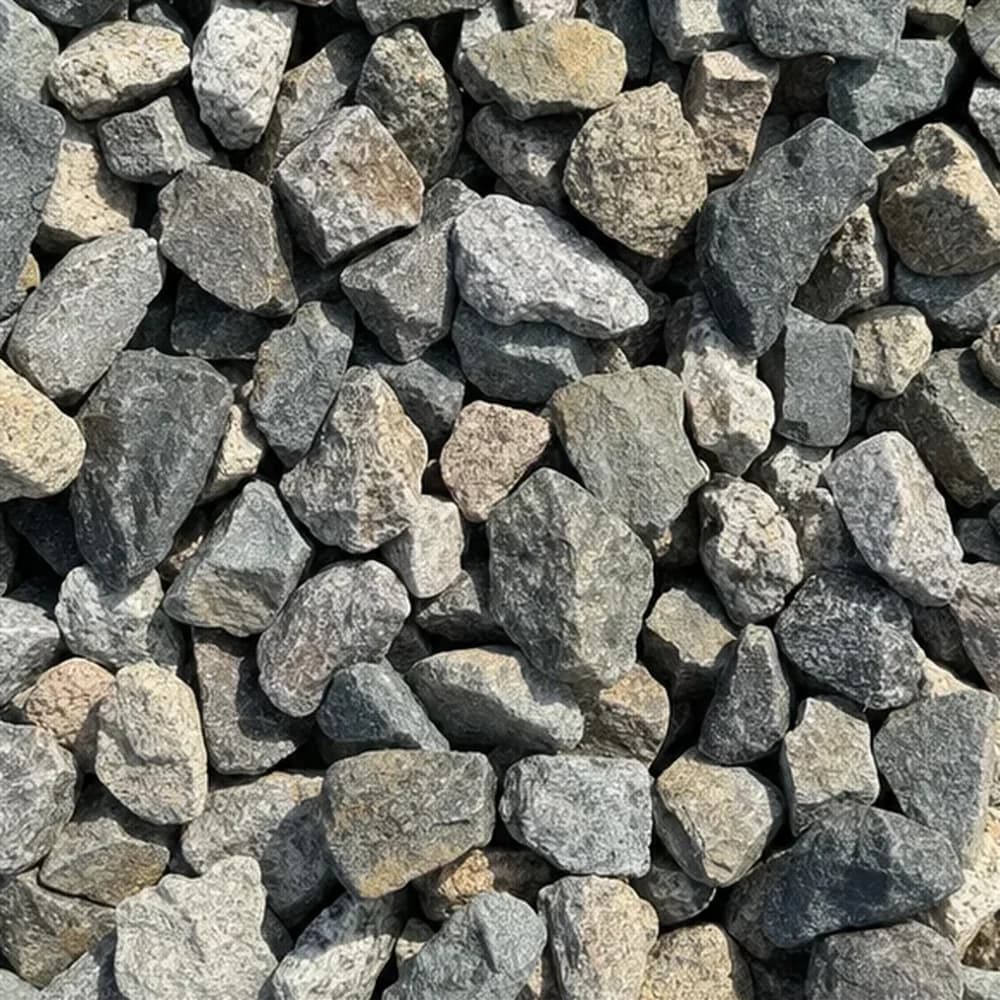
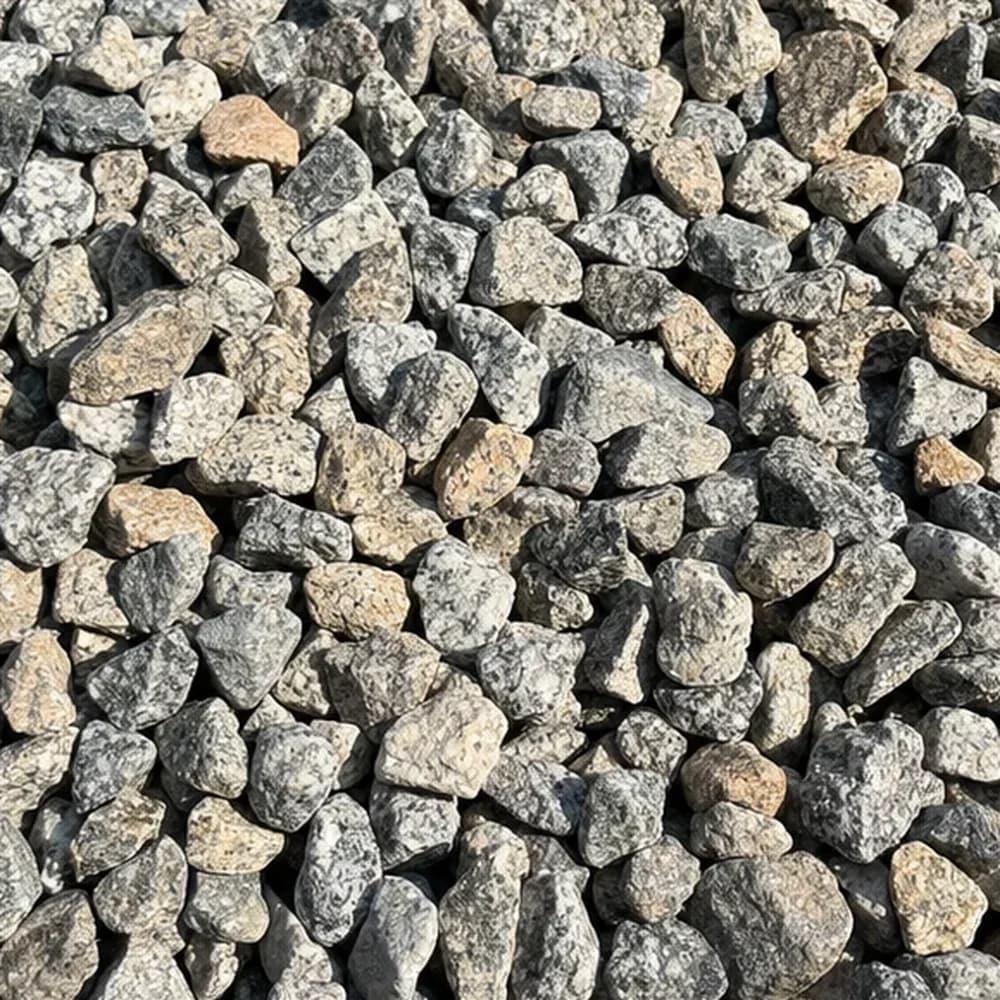
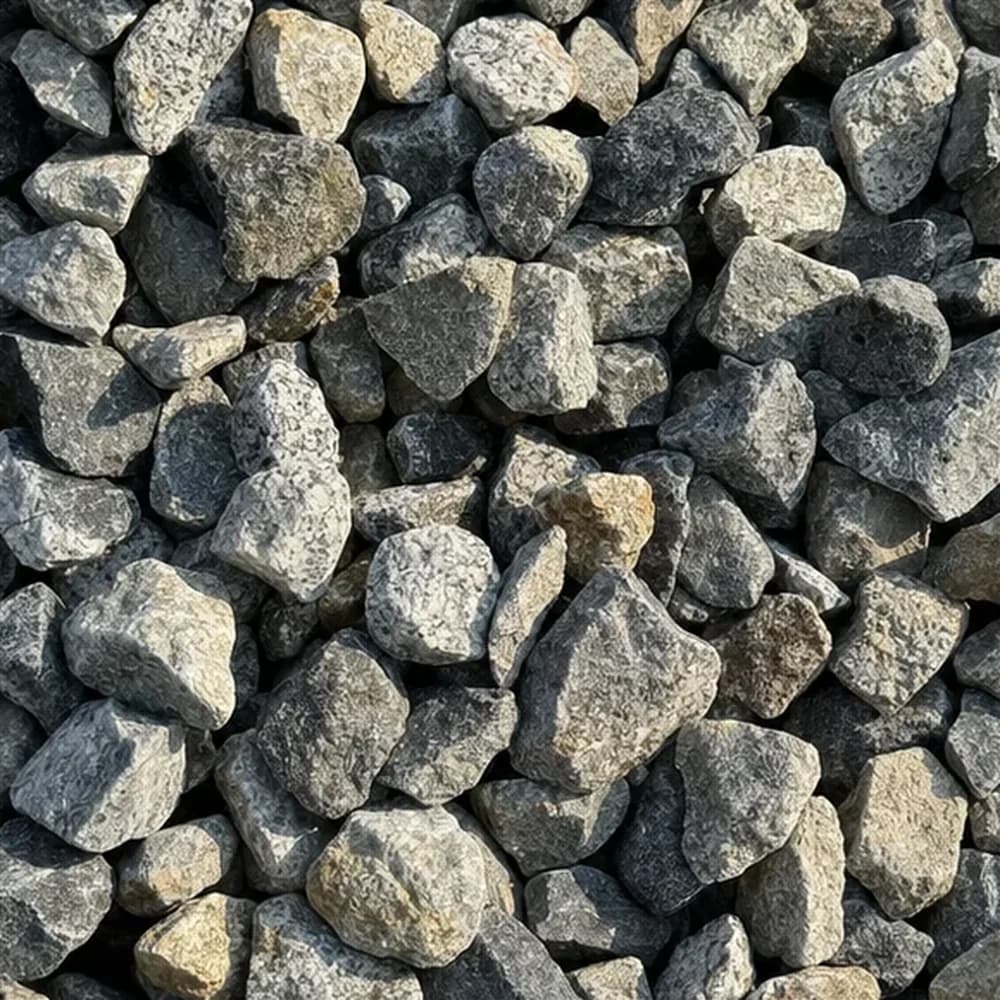
Sold here as Screenings, and known around Georgia yards as granite screenings, granite dust or M10, this is 1/4 inch minus material: angular crushed stone along with the stone dust and fine particles that come off the crusher with it.
That full range of particle sizes is what makes it a setting bed. Wetted and compacted, the dust fills the spaces between the grains and the layer goes dense and flat, which is exactly what a paver, a brick or a piece of flagstone wants to sit on. Screed it, tamp it, set the units, then sweep the same material into the joints so the surface locks together and weeds get less room.
It does the same work under a hot tub, a shed or a run of decking, where the point is a level seat rather than a decorative finish.
What damp red clay does to a bed that was screeded flat
Georgia clay sheds water off a slope quickly and then holds what soaks in. A bed screeded over clay that is still holding water looks perfect on the day and telegraphs every soft spot a month later, because the layer underneath is consolidating while the surface above it stays rigid.
So the sequence matters more than the material. Bring the subgrade to grade and compact it, build the load bearing layer with Crusher Run or GAB (Graded Aggregate Base), compact that, and only then screed the bedding course. Screenings are not the structural layer. On clay that ruts when you walk on it they will not become one no matter how thick you lay them.
Frost has almost nothing to do with it here. Freezes are light across most of the state and the residential code sets a 12 inch minimum footing depth, so what governs a hardscape build is water in the clay, not heave.
Wetting, screeding and tamping a shed pad with hand tools
A pad small enough to do over a weekend does not need a machine on site, but it does need a plate compactor, which is the one tool worth renting.
Set screed rails at your finished level. Pull the material flat between them with a straight board, then mist it. Dry screenings blow around and refuse to knit; damp screenings bind under the plate. Compact in passes that overlap, going in two directions rather than one, and expect to lose some height as the layer tightens.
Give the pad a slight fall so a downpour leaves rather than pools. If the pad sits where a roof line sheds, move the water first with a splash strip or a drain, because the finest material on any Georgia hardscape job is always the first thing a concentrated stream finds.
Where a ditch line or a rock garden bed wants something coarser
Two jobs come up regularly that this material should stay out of.
A culvert outlet or a ditch lining is one. Screenings have no weight and no size, so the first storm runoff moves them straight down the channel and drops them wherever the water slows. That work belongs to RipRap for the outlet apron and #57 Granite for a lighter ditch line.
A xeriscape or rock garden bed is the other. Screenings compact into a crust that sheds water rather than letting it reach roots, and they stain shoes and pale stone after rain. For a decorative bed use River Rock or a clean small stone, and keep screenings for the path running through it.
Mason sand and #89 stone, measured against screenings under the same pavers
Three materials get proposed for a paver bed and they behave differently.
Mason Sand is fine, rounded and washed. It screeds beautifully and stays loose, which suits a bed where the pavers are meant to be liftable, but loose material migrates under load and washes out at an open edge.
#89 Crushed Stone is small angular chips with the dust taken out. It drains hard and locks up well, and it is the better answer where water has to pass through the bed rather than run off the surface.
Screenings sit between them. They have the angularity of the chips and the fines of the sand, so they compact tighter than either and hold a level better under a patio that gets furniture, feet and the odd wheelbarrow.
A 14 by 12 shed pad and a 30 foot garden path, in yards and tons
Both of these are hypothetical examples worked through so you can run your own measurements the same way. The calculator pages on this site give stone screenings as roughly 2,900 lb per cubic yard, which is about 1.45 tons per yard, and that approximate figure converts the volumes below.
A shed pad 14 feet by 12 feet with 4 inches of screenings over a compacted base: 14 x 12 = 168 square feet, 168 x (4 / 12) = 56 cubic feet, and 56 / 27 = 2.07 cubic yards. That is close to 3 tons.
A garden path 30 feet long and 4 feet wide at 3 inches: 30 x 4 = 120 square feet, 120 x (3 / 12) = 30 cubic feet, and 30 / 27 = 1.11 cubic yards, or about 1.6 tons.
A 12 by 16 patio taking a 1 inch bedding course: 192 x (1 / 12) = 16 cubic feet, and 16 / 27 = 0.59 cubic yards, roughly 0.9 tons before anything is swept into the joints.
Check your own figures in the Stone Calculator, then choose a tonnage and a delivery date on this page. Delivery is arranged at checkout by ZIP code, and the truck needs clear access to the spot where the pile is going to land, so say anything unusual about the driveway or the gate through Contact ahead of the day.
Quickly Calculate How Much You Need
Material: Screenings
How to Measure
Measure the length and width of your project area in feet
Decide on depth in inches (2" for landscaping, 4" for driveways)
Enter the values above and we'll calculate the tonnage you need
Need help figuring out the right amount? We can help!
Call or text us at (678) 562-7522 and we'll help you calculate the right quantity for your project.
Not sure how much you need? The Stone Calculator has depth guides, coverage charts and worked examples for this material.
Frequently Asked Questions About Screenings
Customer Reviews
A Solid Choice
Georgia Rock Supply made the whole ordering process easy. The quality of the #10 stone screenings was just what I was looking for. The service was friendly, helpful, and easy to work with.
Ryan M. · Macon, GA · Verified Buyer
Grabbed Screenings from the team and everything showed up right when I needed it. They kept me updated the whole time, super easy and I'm really happy with it.
Nate D. · Atlanta, GA · Verified Buyer
Needed Screenings for a small project and Georgia Rock Supply had a fair price for what I got. Delivery showed up on the day they promised, and I'm really happy with how easy it was.
Megan R. · Athens, GA · Verified Buyer
Got Screenings from Georgia Rock Supply and ordering was no fuss at all. Delivery came exactly when expected, really happy with it.
Tara K. · Athens, GA · Verified Buyer
Screenings has 4 verified customer reviews with an average rating of 4.8 out of 5.