#4 Crushed Stone for Soft, Wet Georgia Ground
Set #4 Crushed Stone low in a Georgia driveway build when wet red clay needs a clear route for water beneath regular traffic.
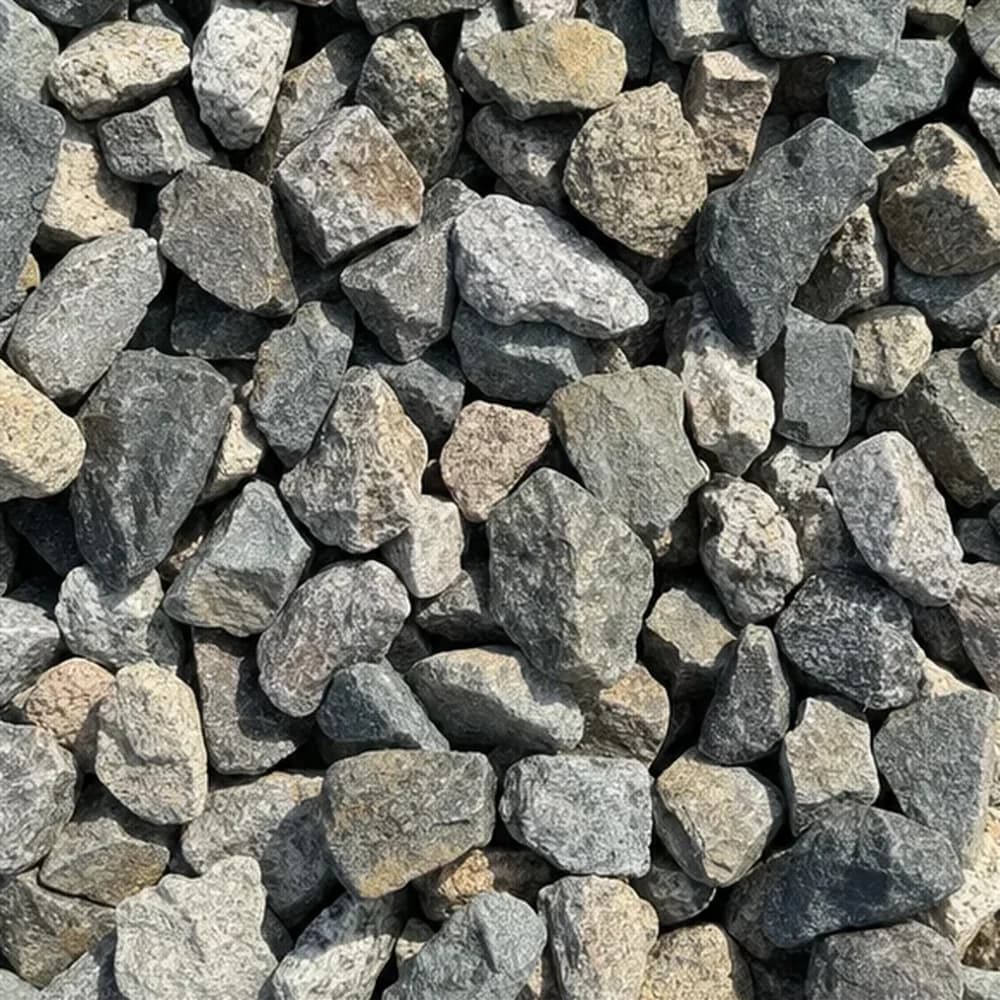
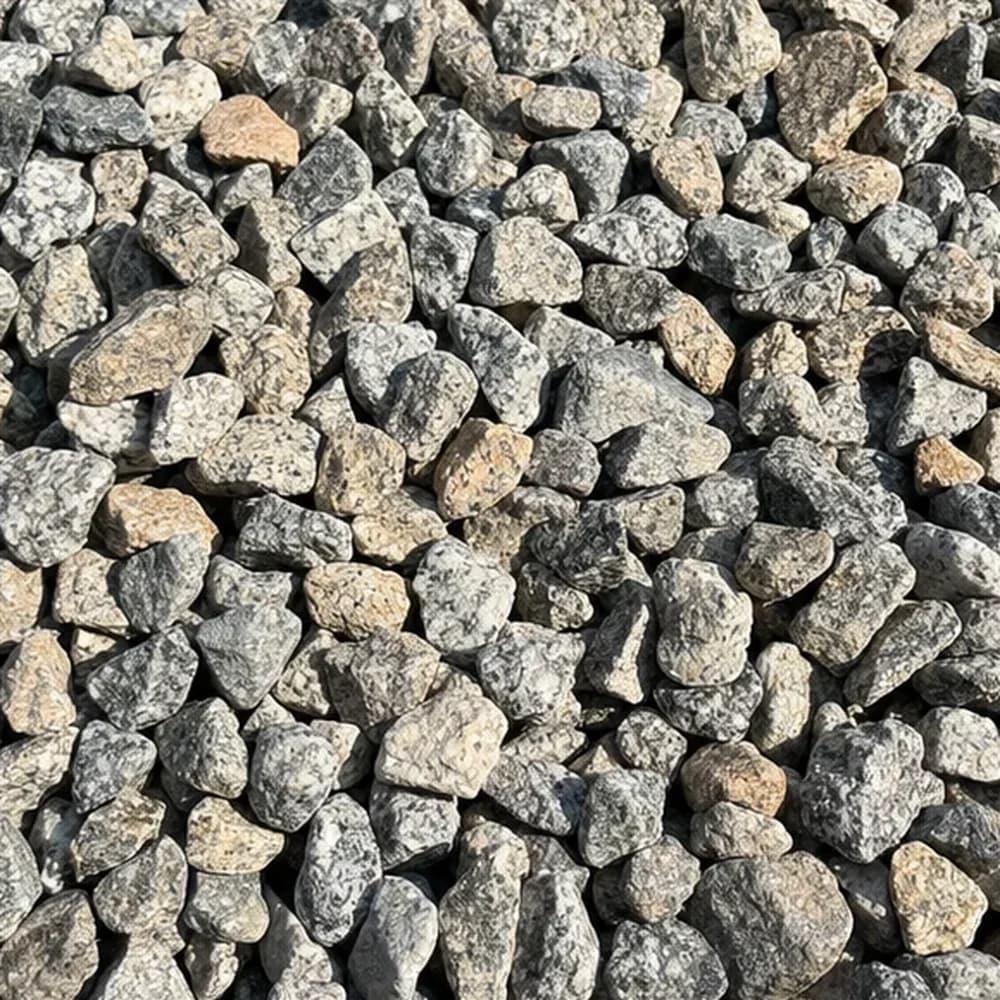
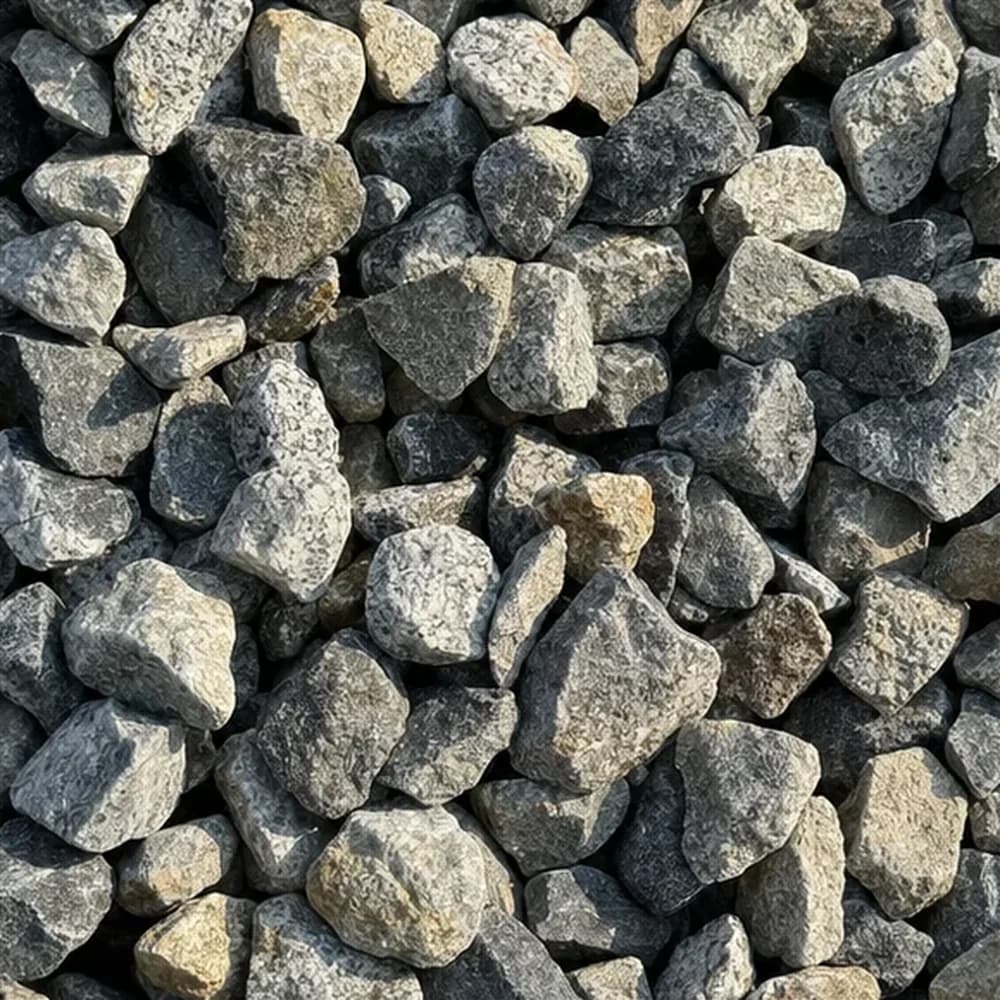
- Size: About 3/4 inch to 1-1/2 inches
- Grading: #4
- Type: Angular crushed stone
From $430 for 1 ton, delivery included (larger loads cost significantly less per ton)
Free delivery included
Free delivery anywhere in Georgia
Pick a delivery date
Weekday delivery, earliest Oct 30
“Ordered crushed stone from this company and it was great quality, plus the driver was friendly and really careful about where he placed it.”
Sandra D. · Verified Buyer
Get a Free Quote
Fill out the form and our sales team will get back to you within the hour.
Size and Grading
- Size
- About 3/4 inch to 1-1/2 inches
- Grading
- #4
- Type
- Angular crushed stone
The job that brings most people to #4 crushed stone is a patch of ground that will not hold anything up. A farm lane crosses a seep that never dries, the bottom of a drive sits where two slopes meet, a pad has to go in on red clay that turns greasy every time it rains hard. Finer material dropped on ground like that disappears into it. This stone is big enough and angular enough to bridge across the soft spot and leave open space for water to keep moving underneath whatever gets built on top.
Picking the stretch of the year when the low ground is workable
Work runs close to year round in Georgia. What stops a base job is not cold, it is a long wet spell, and the ground that most needs this stone is the ground that takes the longest to come back after one.
In practice that means watching the gap between rain events rather than the calendar. Late spring and the settled weeks of early autumn usually give the driest run at low, flat ground. Midsummer is fine between thunderstorms if you can get a machine in and out before the next one. The remains of a tropical storm can put a low crossing out of reach for two weeks. In the north Georgia mountains, add a handful of winter days lost to freezing weather and ice at elevation.
Frost depth is not the constraint. Freezes are light across most of the state and the residential code sets a 12 inch minimum footing depth, so the thickness of a bottom course here is decided by how soft the clay gets and what has to drive over it.
Cutting out the soft material and getting fabric down first
On ground that pumps water when you walk on it, the work starts with excavation rather than delivery. Cut the soft material out until you reach something that does not deflect underfoot, and keep the cut open only as long as the forecast allows, because a trench full of rain is a trench you have to bail and re-cut.
Roll geotextile fabric across the bottom and up the sides before any stone goes in. That sheet is what keeps the clay and the rock as two separate layers. Without it the stone slowly works down into the clay and the clay works up into the voids, and after a couple of storm seasons the drainage layer has quietly turned into a mixture that does neither job.
Then place the stone and level it. There is no point compacting this size in the way you would a base material, though running a machine over it once to settle the pieces into position does no harm.
Where #4 crushed stone belongs on a house lot, and where it does not
New lawn prep is worth separating carefully. Grass wants soil, not rock, so the lawn itself is a job for Top Soil over a shaped subgrade. Where this stone helps is the wet corner inside the new lawn, the low patch that stays spongy and scalps every time the mower crosses it. A drainage blanket of open rock under a cap of soil takes that area out of trouble before the seed goes down.
A hot tub pad is a fit. The tub and the water in it come to real weight on a small footprint, so on clay the bottom course wants open stone, then fabric, then a compacted layer of GAB (Graded Aggregate Base) or Crusher Run to give the slab or the frame a level seat.
A side yard dog run is not a fit. Pieces of 3/4 to 1-1/2 inch angular rock are hard on paws and impossible to scoop cleanly. Use this stone in the bottom of the run if the strip is boggy, then finish with 3/8" Natural Pea Gravel or Walkway Gravel on top.
Beyond the house, the same open structure suits gabion baskets, construction entrances and the first course on a drive being rebuilt from the clay up.
Working out an 8 by 8 hot tub pad and a wet lawn corner
These are hypothetical examples, worked so you can substitute your own measurements. The calculator pages on this site give #4 stone and railroad ballast as roughly 2,900 lb per cubic yard, which is about 1.45 tons per yard, and that approximate figure converts each volume below.
A hot tub pad 8 feet by 8 feet with a 6 inch bottom course: 8 x 8 = 64 square feet, 64 x (6 / 12) = 32 cubic feet, and 32 / 27 = 1.19 cubic yards, or about 1.7 tons.
A drainage trench down a 30 foot dog run, 2 feet wide and 12 inches deep: 30 x 2 x 1 = 60 cubic feet, and 60 / 27 = 2.22 cubic yards, close to 3.2 tons.
A soggy corner of a new lawn 20 feet by 12 feet, blanketed 8 inches deep before the soil cap goes on: 20 x 12 = 240 square feet, 240 x (8 / 12) = 160 cubic feet, and 160 / 27 = 5.93 cubic yards, which is roughly 8.6 tons.
Check your own figures in the Stone Calculator, then choose a tonnage and a delivery date on this page. Delivery is arranged at checkout by ZIP code and the truck needs clear access to the drop spot, so raise a narrow lane or a soft verge through Contact before the day rather than on it.
What the layer needs after its first storm season
An open stone layer put in properly asks very little afterwards. Most of what goes wrong comes from above, in the form of red clay washing down off bare ground and settling into the voids.
Walk the work after the first few heavy storms and look for two things. Silt in the top of the stone means something upslope needs covering or diverting. A dip in the finished surface usually means a soft pocket underneath was missed during excavation rather than that the stone has failed, and it is cheaper to cut that pocket out now than to keep topping the surface every spring.
Where a concentrated run of water leaves the work, put something heavier at the outlet. A short apron of RipRap takes the energy out of it before it reaches bare clay.
Quickly Calculate How Much You Need
Material: #4 Crushed Stone
How to Measure
Measure the length and width of your project area in feet
Decide on depth in inches (2" for landscaping, 4" for driveways)
Enter the values above and we'll calculate the tonnage you need
Need help figuring out the right amount? We can help!
Call or text us at (678) 562-7522 and we'll help you calculate the right quantity for your project.
Not sure how much you need? The Stone Calculator has depth guides, coverage charts and worked examples for this material.
Frequently Asked Questions About #4 Crushed Stone
Customer Reviews
Picked up on my driveway project with these guys and the crushed stone was top notch.
Sandra V. · Atlanta, GA · Verified Buyer
Ordered crushed stone from this company and it was great quality, plus the driver was friendly and really careful about where he placed it.
Sandra D. · Atlanta, GA · Verified Buyer
Grabbed crushed stone from Georgia Rock Supply, and they kept me updated the whole time so delivery was easy and stress free.
Steve W. · Athens, GA · Verified Buyer
Picked up on a load of crushed stone from these guys and everything went smooth. I'd definitely order again and recommend them.
Paul C. · Augusta, GA · Verified Buyer
Got crushed stone from the team and it showed up right on schedule. Really happy with how easy it was, 5 out of 5.
Gina I. · Savannah, GA · Verified Buyer
#4 Crushed Stone has 5 verified customer reviews with an average rating of 4.8 out of 5.